
Best Breast Pumps (Expert Consensus)
Last reviewed: 2026-04-23 (This page is updated periodically as expert recommendations and market conditions change.)
Disclosure: This page contains affiliate links. If you buy through our links, we may earn a commission. This does not influence our recommendations or rankings.
Category Overview & Market Context
What This Category Is
Breast pumps are medical devices used to extract breast milk, allowing parents to collect and store milk for later feeding. They range from simple hand-operated manual pumps to powerful double electric models and discreet wearable devices that fit inside a nursing bra. Whether you are returning to work, building a milk supply, sharing feeding responsibilities with a partner, or managing supply challenges, a breast pump can be an essential tool in your feeding journey.
State of the Market
The breast pump market has expanded significantly in recent years, driven by innovations in wearable technology and changes in insurance coverage. In the U.S., the Affordable Care Act requires most health insurance plans to cover a breast pump, which has broadened access and increased the range of options available to parents. The market now spans three distinct product types: traditional double electric pumps that prioritize suction power and efficiency, wearable pumps that allow hands-free pumping in a nursing bra, and manual pumps that serve as portable companions for occasional use. Major manufacturers include Spectra, Medela, Elvie, Momcozy, Willow, BabyBuddha, Lansinoh, and Haakaa.
Who This Is For / Not For
This review is for anyone considering a breast pump for personal use, whether you plan to pump exclusively, combine pumping with direct breastfeeding, or pump occasionally for flexibility. It covers consumer-purchase pumps available through retailers and insurance providers. This review does not cover hospital-grade rental pumps, which are multi-user medical devices typically recommended for parents of premature or NICU babies and are obtained through hospitals or medical equipment providers. The early-months kit usually extends beyond feeding to carrying, which for many parents means a comfortable baby carrier.
How This Review Was Produced
This review is based on expert consensus rather than a single reviewer’s opinion.
We analyze and synthesize recommendations from multiple independent expert review sources that meet our editorial quality and transparency standards. We document where experts agree, where they differ, and why. No single source determines our recommendations.
We do not conduct original product testing. Instead, we rely on experts who do — such as publications that perform hands-on testing, lab measurements, or clearly documented evaluation methodologies.
Manufacturers do not influence our recommendations. Advertising, affiliate relationships, or commercial considerations do not affect which products are included, how they are ranked, or how they are described.
When helpful, we also consult additional secondary review outlets to understand how broader expert opinion aligns — or conflicts — with the primary consensus. These secondary sources do not determine winners but may provide context or confirmation.
Top Picks at a Glance
Best Double Electric Breast Pump
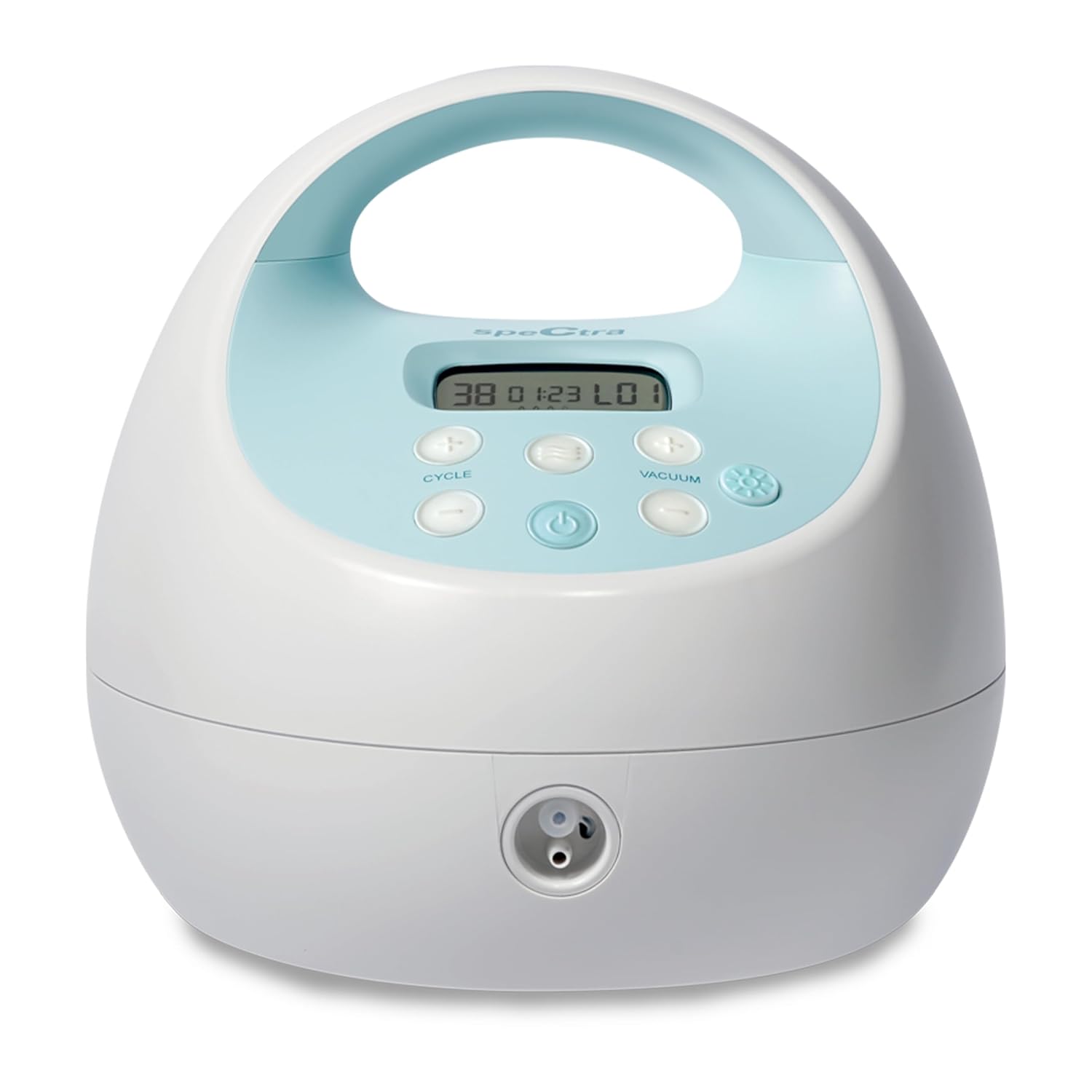
Spectra S1 Plus
Backed by the broadest expert consensus of any breast pump reviews we analyzed, the Spectra S1 Plus delivers quiet, efficient pumping with a rechargeable battery and highly customizable suction settings.
Best Wearable Breast Pump
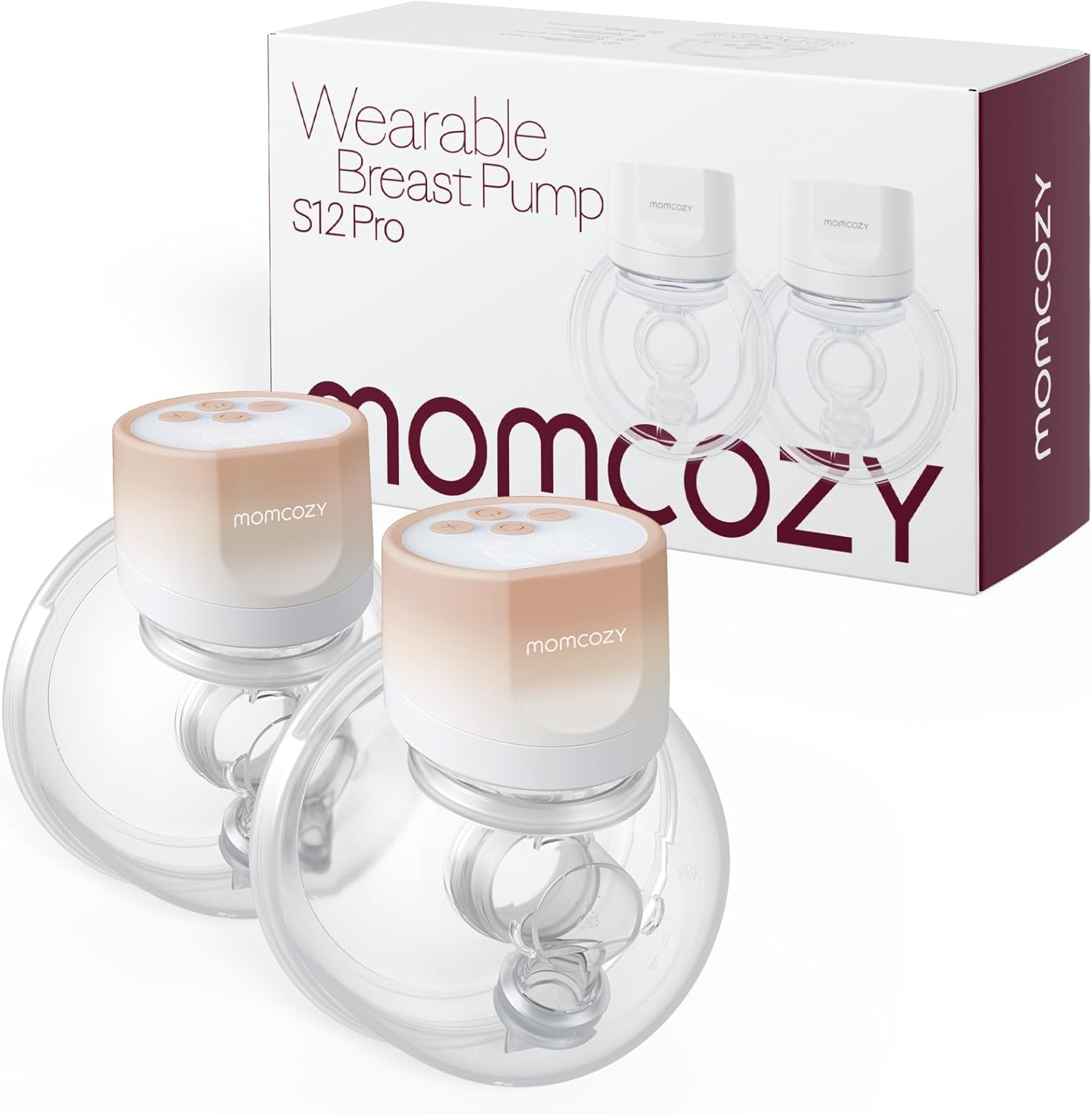
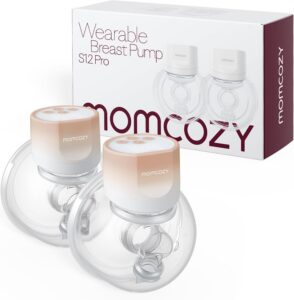
Momcozy S12 Pro
Among the most popular wearable pumps tested by experts, the Momcozy S12 Pro balances in-bra convenience, strong suction, and an accessible entry point into hands-free pumping.
Best Manual Breast Pump
Medela Harmony
A reliable companion for occasional pumping, the Medela Harmony’s swiveling handle and wide availability make it the manual pump most consistently recommended across expert sources.
🔍 Where the Experts Disagree
The best manual pump? The experts split three ways.
The split. There’s no agreed winner among the sources that tested manual pumps. Wirecutter and Good Housekeeping both name the Medela Harmony best manual. BabyGearLab’s lab testing makes the Lansinoh Manual its favorite. And The Bump picks the Dr. Brown’s Manual as its overall best. Same category, three different verdicts.
Why they differ. Each weights a different thing. Wirecutter and Good Housekeeping prize the Harmony’s smooth, rotating handle, which stays comfortable to grip and squeeze over long or occasional sessions. BabyGearLab measures milk expressed per minute — and the Lansinoh pumped more per minute than even some electric models it tested, winning it the top spot on efficiency. The Bump favors the Dr. Brown’s for its multiple speed settings, which speed letdown, and its all-silicone flange for comfort.
What it means for you. There’s no wrong answer here — choose by what matters most. For the most comfortable handle and the broadest expert backing, the Medela Harmony is the safe default and our pick. If efficiency is your priority — the most milk in the least time — BabyGearLab’s testing points to the Lansinoh. And if quick letdowns and a soft silicone fit matter most, The Bump’s Dr. Brown’s is worth a look.
Top Picks in Detail
Below are our recommendations explained in more depth, including why experts agree and where each pick has trade-offs.
Best Double Electric Breast Pump: Spectra S1 Plus
BEST DOUBLE ELECTRIC BREAST PUMP
Spectra S1 Plus
Earns the strongest expert consensus of any breast pump in our analysis. Six of seven Primary sources name it as their top electric pump pick, praising its quiet operation, efficient milk expression, rechargeable battery, and highly customizable suction with separate strength and speed controls.
If you buy through our links, we may earn a commission. This doesn’t affect our recommendations.
Why It’s a Top Pick
The Spectra S1 Plus is the rare product that earns near-universal expert endorsement. BabyGearLab ranks it as the Most Efficient Breast Pump after lab testing over 25 pumps since 2012, measuring it at 0.55 oz per minute — the highest output rate in their review. Consumer Reports ties it for Highest Score in their 34-user study of double electric pumps. Wirecutter has named it their Top Pick since 2018 after researching 32 breast pumps and testing 14, noting that a clear majority of parents who have tried multiple brands prefer Spectra. Parents.com, Mommyhood101, and Good Housekeeping also name it their top recommendation. What to Expect awards it the Feeding Award for back-to-back years.
The one notable Primary source exception is The Bump, which names the Pumpables SuperGenie as its Overall Best Electric Breast Pump. The Pumpables SuperGenie is not recommended as a top pick by any other Primary source in our analysis, making this a single-source divergence worth noting for readers drawn to that brand’s emphasis on flange fitting and comfort.
What Experts Like
- Quiet operation that allows pumping next to a sleeping baby or during work calls, with BabyGearLab noting it is one of the quietest pumps they have tested
- Separate controls for suction strength and suction speed provide more customization than competing pumps, helping parents find their optimal pumping rhythm
- Built-in rechargeable battery enables cordless pumping anywhere in the home or office without being tethered to an outlet
- Closed-system design with backflow protectors keeps milk separated from the pump motor and tubing for hygienic operation
- Consistently strong efficiency across lab and real-world testing, producing more expressed milk in less time than most competitors
Trade-Offs to Consider
- Bulkier and heavier than portable or wearable alternatives, requiring a dedicated space for pumping sessions
- Not wearable or hands-free without a separate pumping bra, limiting multitasking ability compared to in-bra wearable pumps
- Replacement parts and accessories are less widely available in stores than Medela parts, often requiring online ordering
- Does not come with a carrying case or travel bag, which must be purchased separately
Runners-Up
While the Spectra S1 Plus commands strong consensus, several other double electric pumps earn expert recognition for specific strengths.
- Motif Medical Luna — Consumer Reports ties the Luna for Highest Score alongside the Spectra S2 Plus, and The Bump names it Best Quiet Electric Breast Pump. Its whisper-quiet motor and strong battery life differentiate it from the Spectra, though it has fewer accessory options and a less established parts ecosystem.
- BabyBuddha 2.0 Portable Breast Pump — BabyGearLab ranks it second overall and Wirecutter names it Best for Hands-Free Pumping. At under a pound with a lanyard design, it offers exceptional portability. The 2.0 version adds a Soft Stimulation Mode that addresses the original model’s excessively strong suction. Note that this is a lanyard-style pump requiring a pumping bra to hold flanges in place, not a true in-bra wearable — readers seeking a fully wireless pump should see the Best Wearable Breast Pump segment.
- Medela Pump in Style — Parents.com and Good Housekeeping recommend it, and Mommyhood101 ranks it third. The Medela brand has the widest retail availability and parts ecosystem of any pump manufacturer. However, BabyGearLab ranks it last among eight tested pumps, citing a lack of visual display indicators and frustrating minimal feedback during pumping sessions.
Best Wearable Breast Pump: Momcozy S12 Pro
BEST WEARABLE BREAST PUMP
Momcozy S12 Pro
Earns the broadest expert support among wearable breast pumps, led by Consumer Reports’ top ranking in their 41-user wearable study. Its double-sealed flange design, quiet operation, and long battery life make it a practical choice for parents who need hands-free pumping flexibility.
If you buy through our links, we may earn a commission. This doesn’t affect our recommendations.
Moderate Consensus Note: The wearable breast pump segment shows significantly less expert consensus than the double electric segment. No single wearable pump commands the kind of broad cross-source agreement the Spectra S1 Plus has among electric pumps. Multiple Primary sources favor different wearable models, reflecting a rapidly evolving product category where individual fit, comfort, and lifestyle needs vary widely. Our recommendation reflects the broadest available expert support, but readers should consider trying multiple options to find the best fit for their body and routine.
Why It’s a Top Pick
Consumer Reports ranks the Momcozy S12 Pro as the Highest-Ranked Wearable Breast Pump in their evaluation of eight models tested by 41 breastfeeding parents. What to Expect names it Best Wearable Breast Pump. The Strategist recommends it as one of the best wearable options after testing nine models, and Forbes Vetted names it Best Large Capacity Wearable. Its double-sealed flange design addresses one of the most common complaints about wearable pumps — leaking — by creating a tighter seal closer to the breast.
What Experts Like
- Double-sealed flange design creates a snug fit that reduces leaking compared to single-seal competitors
- Quick-charging battery reaches full charge in approximately 90 minutes and lasts for five to six pumping sessions
- Quiet operation for discreet pumping in shared spaces or around a sleeping baby
- Three pumping modes with nine intensity levels provide enough customization for most users
Trade-Offs to Consider
- Wearable pumps generally produce 10-15 percent less milk than traditional double electric pumps, per BabyGearLab’s comparative testing
- Fit and comfort vary significantly by individual anatomy, and the 24mm default flange may not suit all users without purchasing additional insert sizes
- Requires a supportive nursing bra to hold the pump securely against the breast during use
- Some experts do not recommend wearable pumps as a primary pump, suggesting they work best as a supplement to a traditional double electric pump
Runners-Up
The wearable pump category is evolving rapidly, and several other models earn strong expert endorsement for specific use cases. Readers who find the Momcozy S12 Pro is not the right fit should consider these alternatives, each of which addresses different pumping priorities. For readers who need maximum pumping power rather than wearable convenience, the Best Double Electric Breast Pump segment covers traditional electric options.
- Elvie Pump (Double) — Reviewed names it Best Overall Breast Pump, and Forbes Vetted names it Best Wearable Overall. Wirecutter includes it as a pick in their separate wearable breast pump guide. Its fully self-contained in-bra design with Bluetooth app control and virtually silent Piezo-Power technology makes it one of the most discreet options available. However, it carries a significant price premium over most competitors.
- Willow Go — Good Housekeeping names it Best Wearable, WIRED awards it a Recommends rating, Wirecutter includes it as a pick in their separate wearable guide, and The Strategist names it Best Wearable after comparative testing. Its closed-system design and app-controlled operation offer a good balance of performance and convenience. Reusable collection containers reduce ongoing costs.
- Elvie Stride 2 — BabyGearLab names it Favorite Wearable, Healthline names it Best Wireless Breast Pump, and Forbes Vetted names it Most Comfortable Wearable. This is a hybrid design with a small hub connected to in-bra cups via short tubes, which allows for a more powerful motor than fully self-contained wearable pumps. Suction efficiency varies more widely from person to person than with traditional electric pumps.
Best Manual Breast Pump: Medela Harmony
BEST MANUAL BREAST PUMP
Medela Harmony
The Medela Harmony’s signature swiveling handle and wide retail availability make it the most consistently recommended manual breast pump across expert sources. Lightweight, quiet, and simple to clean, it serves as a reliable companion for travel, occasional engorgement relief, or as a backup to an electric pump.
If you buy through our links, we may earn a commission. This doesn’t affect our recommendations.
A note on manual breast pumps: Expert sources consistently position manual pumps as companion tools rather than primary pumping solutions. They are best suited for occasional use, travel, quick engorgement relief, or collecting milk from one breast while nursing on the other. Parents who pump multiple times daily will benefit more from a double electric pump like the Best Double Electric Breast Pump pick or a wearable option from the Best Wearable Breast Pump segment.
Moderate Consensus Note: The manual breast pump segment shows a three-way split among Primary sources. Wirecutter and Good Housekeeping favor the Medela Harmony; BabyGearLab prefers the Lansinoh Manual based on efficiency testing; and The Bump names the Dr. Brown’s Manual as best overall. The Medela Harmony is recommended here based on broader weight of expert support across both Primary and Secondary sources, but the BabyGearLab efficiency data favoring the Lansinoh is noted as a meaningful divergence from a Tier 1 testing source.
Why It’s a Top Pick
Wirecutter names the Medela Harmony its Top Pick Manual Breast Pump, highlighting its unique swiveling handle that allows comfortable use from multiple hand positions — a feature no other manual pump in their testing offers. Good Housekeeping names it Best Manual Breast Pump. Healthline also names it Best Manual after testing 18 pumps with 15 moms. Parents.com recommends it as a reliable option. The Medela brand’s wide retail presence means replacement parts and accessories are easily found at most pharmacies and baby stores.
What Experts Like
- Swiveling handle allows comfortable pumping from multiple hand positions and reduces fatigue during longer or more frequent sessions
- Widely available replacement parts and compatibility with the Medela bottle and storage ecosystem
- Lightweight, portable design fits easily into a purse or diaper bag for on-the-go use
- Simple, straightforward design with fewer parts than electric pumps for easy cleaning
Trade-Offs to Consider
- BabyGearLab measures it at 0.13 oz per minute, significantly less efficient than the Lansinoh Manual at 0.28 oz per minute in their lab testing
- Comes with only one flange size (24mm), requiring separate purchase of alternative sizes for a proper fit
- Single-breast pumping only, requiring more time to express both breasts compared to a double electric pump
- Manual effort required for each pumping session can cause hand and arm fatigue, especially for frequent use
Runners-Up
- Lansinoh Manual Breast Pump — BabyGearLab names it Best Manual Breast Pump, ranking it fourth overall with the highest efficiency of any manual pump tested (0.28 oz per minute). It comes with multiple flange sizes (21mm, 25mm, 30.5mm, 36mm), offering better fit options out of the box than the Medela Harmony. What to Expect names it Best for Occasional Pumpers. A strong choice for parents who prioritize pumping speed in a manual pump.
- Haakaa Silicone Breast Pump — Wirecutter names it Best for Reducing Waste, and Healthline names it Best Milk Collector. This is a passive collection device rather than an active pump — it uses suction to collect letdown milk from the non-nursing breast during feeding. Its one-piece silicone design requires no assembly, batteries, or cleaning of multiple parts. Useful for catching milk that would otherwise be lost, but not designed for active milk expression.
How to Choose the Right Breast Pump for You
Consider how often you plan to pump. If you pump multiple times daily — whether at work, at home, or both — a double electric pump provides the efficiency and consistency needed for regular use. Occasional pumpers or those who primarily breastfeed directly may find a manual pump sufficient. Parents who need to pump while multitasking may benefit from a wearable pump as a supplement to a traditional electric pump.
Flange fit is critical for comfort and output. A flange that is too small can cause nipple pain and restrict milk flow, while one that is too large pulls in excess areola tissue and reduces efficiency. Most pumps include one or two standard sizes, but many parents need to measure their nipples and purchase additional sizes for an optimal fit. Several expert sources emphasize that proper flange sizing resolves the majority of pumping discomfort.
Think about where you will be pumping. Parents who pump primarily at home can prioritize efficiency and comfort over portability. Those pumping at work benefit from a rechargeable pump with quiet operation. If you need true hands-free pumping during commutes or while caring for other children, a wearable pump offers the most flexibility, though typically at a trade-off in milk output versus a traditional electric pump. Most of this gear is bought around the same time as the nursery itself, including a crib.
Evaluate the cleaning and maintenance routine. Pumps with more parts require more time to disassemble, wash, and reassemble after each session. Closed-system pumps keep milk out of the tubing and motor, reducing the number of components that need cleaning. For parents pumping multiple times daily, the number of parts and ease of cleaning can meaningfully affect the daily routine.
Check your insurance coverage before buying. In the U.S., most insurance plans are required to cover a breast pump under the Affordable Care Act, though coverage varies by plan. Some plans cover basic models at no cost and allow upgrades to premium pumps for an additional out-of-pocket cost. Companies such as Aeroflow, Yummy Mummy, and The Breastfeeding Shop specialize in processing insurance claims for breast pumps. Feeding gear is one part of the newborn setup most parents assemble at once, often researched alongside our baby monitor picks.
How We Make Our Recommendations
Our recommendations follow a documented, repeatable editorial process designed to prioritize expert agreement, comparability, and clarity.
For each category, we:
- Define clear category scope and exclusions
- Identify and vet independent expert review sources
- Inventory all products reviewed across those sources
- Analyze patterns of agreement and disagreement
- Apply editorial judgment only after consensus is documented
When a category includes materially different product types, we segment recommendations rather than forcing a single “best overall.” For more information, see How We Work.
Sources & Citations
Primary Sources
- BabyGearLab, The Best Breast Pumps, Sept. 2025
- Consumer Reports, Best Breast Pumps of 2026, Jan. 2026 [subscription required]
- Consumer Reports, Best Wearable Breast Pumps of 2026, Jan. 2026 [subscription required]
- Consumer Reports, Breast Pump Buying Guide, May 2023 [subscription required]
- Good Housekeeping, 8 Best Breast Pumps, Tested by Parents and Experts, Aug. 2024
- Mommyhood101, Best Breast Pumps of 2026, Tested & Reviewed, Jan. 2026
- Parents.com, The 7 Best Wearable Breast Pumps We Used During Work Calls, Chores, and Caring for Kids, March 2026
- Parents.com, These 9 Breast Pumps Are the Most Comfortable, Convenient, & Effective, March 2026
- The Bump, 5 Best Manual Breast Pumps, Hand-Tested by Moms, Nov. 2025
- The Bump, 7 Best Electric Breast Pumps, Tested by Nursing Moms, Nov. 2025
- The Bump, 10 Best Wearable & Hands-Free Breast Pumps, Tested by Nursing Moms, Nov. 2025
- Wirecutter, The Best Breast Pumps, Jan. 2026
Secondary Sources Consulted for Context
- Forbes Vetted, Best Wearable Breast Pumps 2026: 8 Picks The Moms We Spoke With Swear By, March 2026
- Healthline, The 7 Best Breast Pumps We’ve Tried: Electric, Manual, Hospital-Grade, and Wireless, Sept. 2024
- Reviewed, The Best Breast Pumps of 2026, Feb. 2023
- The Strategist, I’ve Pumped For Three Babies – These Are The Best Breast Pumps, July 2024
- What to Expect, 8 Best Breast Pumps, Tested and Loved by Over 300 Moms, Jan. 2026
- WIRED, What’s the Best Breast Pump for You?, July 2025
Additional Sources Reviewed
- Mother&Baby, 8 best breast pumps 2026: tried and tested by mums, April 2026
- Mother&Baby, 14 of the best breast pumps 2026: Tried and tested for comfort and efficiency, April 2026
- Mother&Baby, The 7 best manual breast pumps all tried and tested by mums, April 2026
Updates & Ongoing Review
This review is monitored on an ongoing basis. We update recommendations when expert sources publish new test results, products are discontinued, or consensus meaningfully changes.
Version History
- 2026-04-23 — Initial publication
- 2026-06-28 — Added Why the Experts Disagree box