
Best Electric Scooters (Expert Consensus)
Last reviewed: 2026-03-12
(This page is updated periodically as expert recommendations and market conditions change.)
Disclosure: This page contains affiliate links. If you buy through our links, we may earn a commission. This does not influence our recommendations or rankings.
Category Overview & Market Context
What This Category Is
Electric scooters are stand-up, battery-powered personal vehicles designed for short-to-medium-distance urban transportation. They typically feature a foldable frame, a thumb or twist throttle, electric braking, and a rechargeable lithium-ion battery. Most consumer models reach speeds of 15 to 30 mph and cover 10 to 50 miles on a single charge, depending on the model, rider weight, and terrain.
This review covers consumer electric kick scooters for adult personal transportation and commuting, spanning budget entry-level models through enthusiast-grade performance scooters. We exclude hyperscooters (those capable of 50+ mph), seated moped-style scooters, kids’ scooters, mobility scooters, and rental-only models.
State of the Market
The electric scooter market has matured significantly. Battery technology improvements have pushed real-world ranges past 40 miles on mainstream models, while features like traction control, hydraulic suspension, self-healing tires, and Apple Find My integration have become standard on mid-range and premium scooters. Segway, NIU, and Apollo have emerged as the dominant brands across expert reviews, though specialist publications have identified strong contenders from newer manufacturers like Navee and VMAX.
A notable development during this review period is the voluntary recall of the Segway Ninebot Max G30LP and Max G30P, two models that are top-picks by multiple expert sources. Segway issued the recall in March 2025 after identifying a folding mechanism issue that could pose a fall hazard. The issue has since been addressed, and Segway is providing free maintenance kits to affected owners. Wirecutter continues to recommend both models. We include the G30P as a runner-up in the Best Commuter Electric Scooter section below, with a note on the recall history for buyer awareness.
Who This Is For / Not For
This review is for adults looking to purchase an electric scooter for commuting, errands, or recreational use. It’s designed for buyers who want to understand which scooters experts actually recommend after hands-on testing — not just which ones have the flashiest specs. If you’re a first-time buyer overwhelmed by options, or a commuter upgrading from a rental scooter, this review will help you navigate the category.
This review is not for riders seeking extreme performance (50+ mph hyperscooters), off-road-only vehicles, or seated moped-style scooters. If you need a children’s scooter or a mobility scooter, those are different product categories with different expert sources.
How This Review Was Produced
This review is based on expert consensus rather than a single reviewer’s opinion.
We analyze and synthesize recommendations from multiple independent expert review sources that meet our editorial quality and transparency standards. We document where experts agree, where they differ, and why. No single source determines our recommendations.
We do not conduct original product testing. Instead, we rely on experts who do — such as publications that perform hands-on testing, lab measurements, or clearly documented evaluation methodologies.
Manufacturers do not influence our recommendations. Advertising, affiliate relationships, or commercial considerations do not affect which products are included, how they are ranked, or how they are described.
When helpful, we also consult additional secondary review outlets to understand how broader expert opinion aligns — or conflicts — with the primary consensus. These secondary sources do not determine winners but may provide context or confirmation.
Top Picks at a Glance
Best Budget Electric Scooter
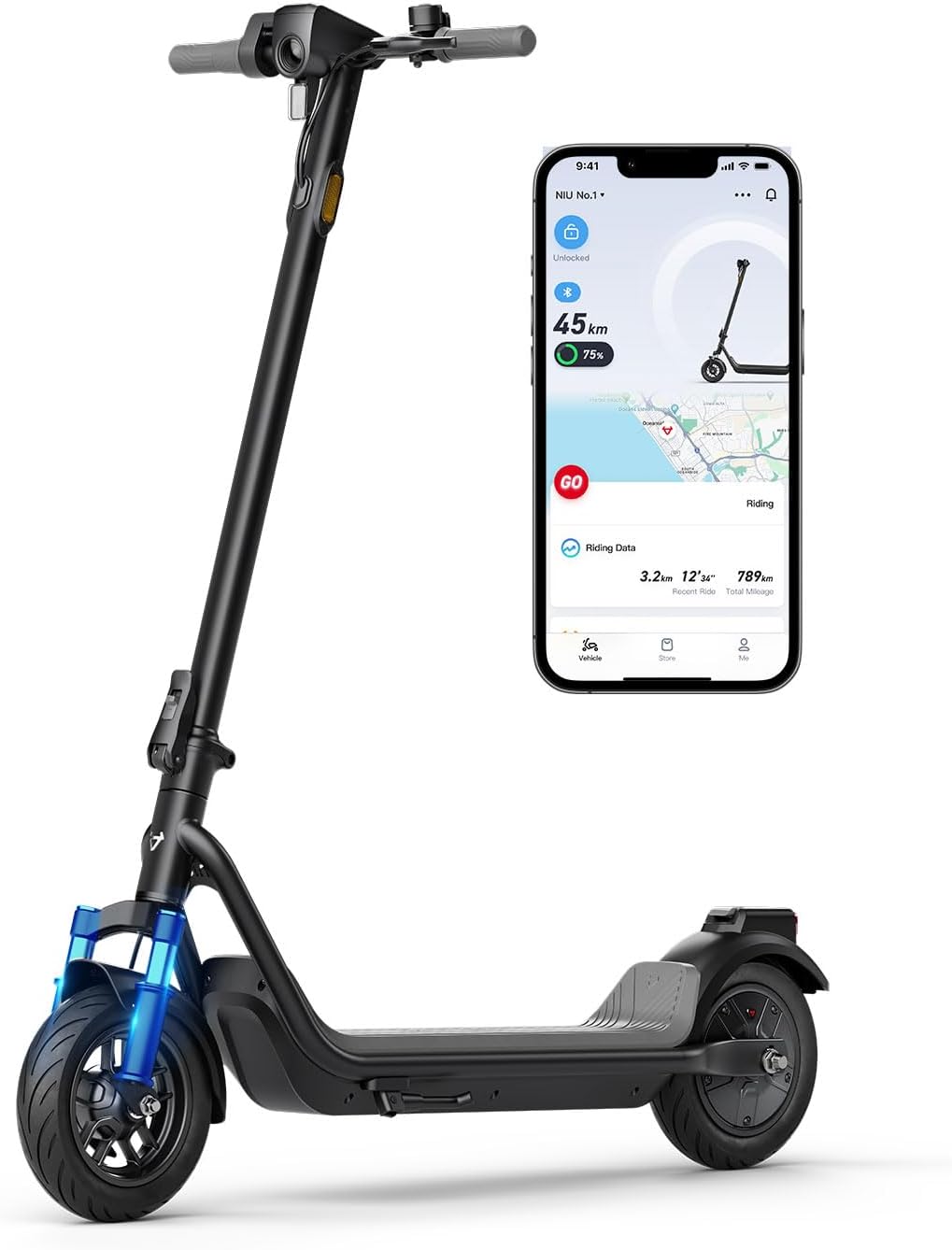
NIU KQi 100P
A well-built, affordable entry point with reliable NIU quality, front suspension, and enough range for short commutes — backed by the broadest cross-source support in the budget tier.
Best Commuter Electric Scooter
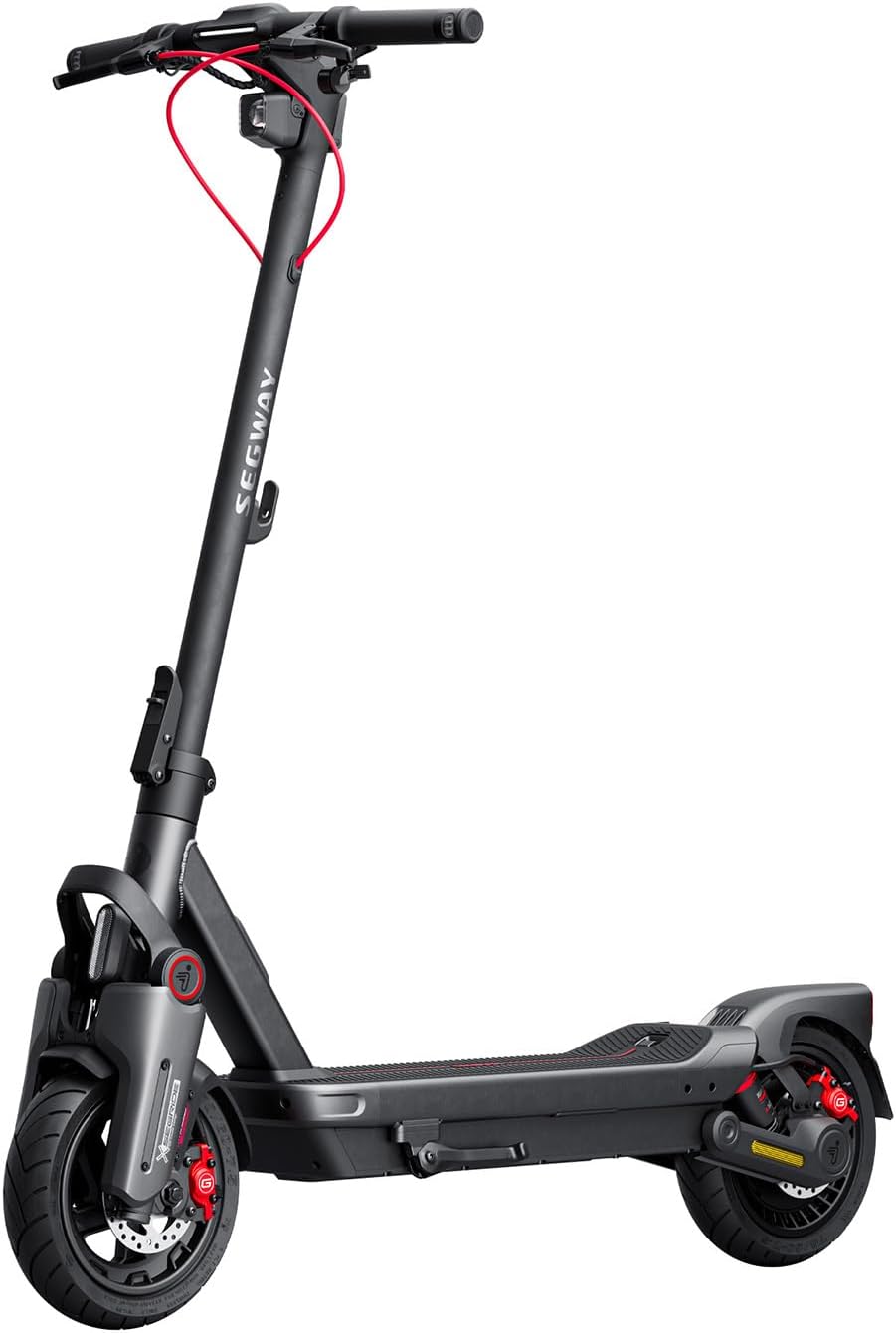
Segway Ninebot Max G3
The expert consensus leader for daily commuting, with the highest overall test score, hydraulic suspension, fast charging, and strong range — recommended by four Primary sources.
Best Lightweight Electric Scooter
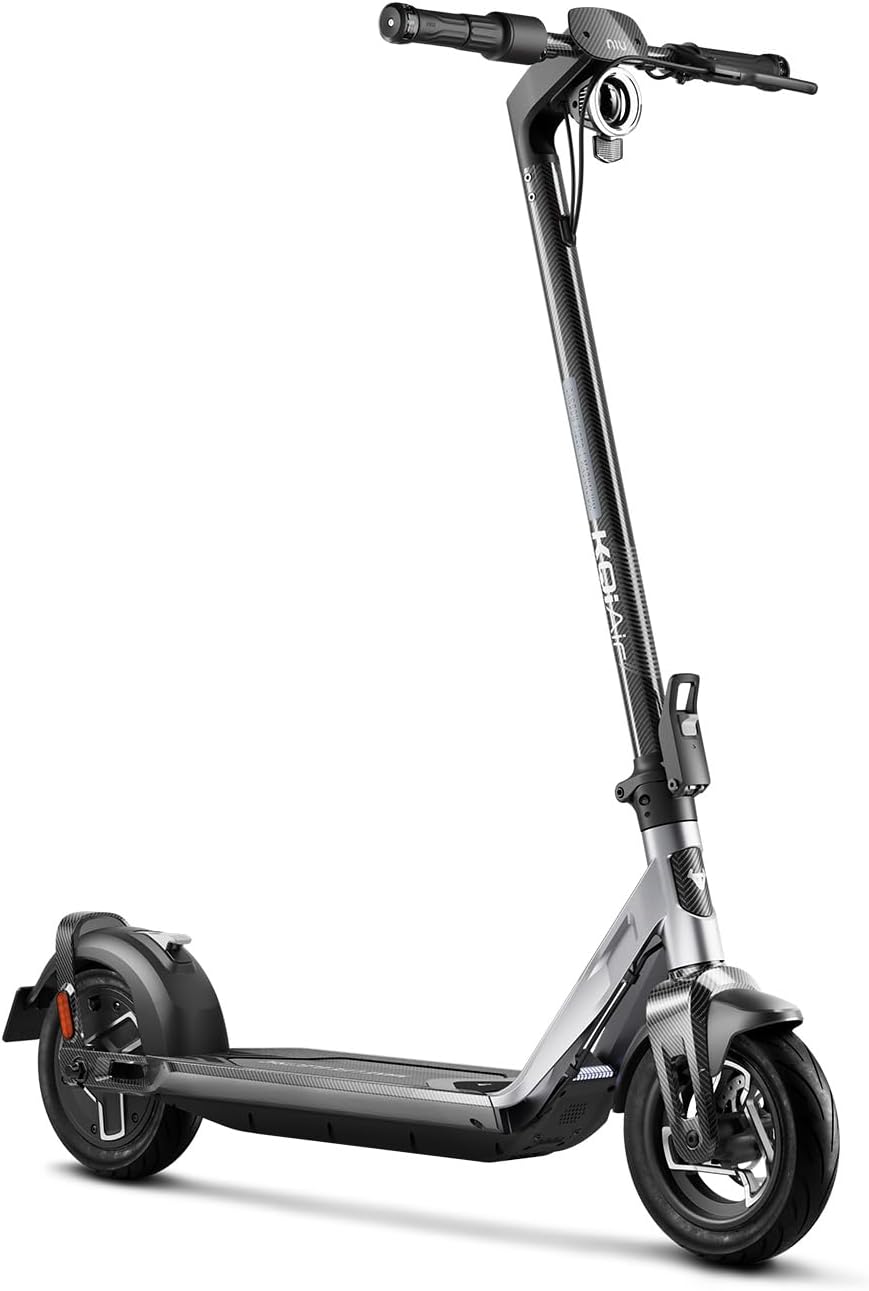
NIU KQi Air
A carbon-fiber ultralight at just 26 pounds that rides like a full-size commuter, delivering an exceptional range-to-weight ratio that no competitor in this class can match.
Best Enthusiast Electric Scooter
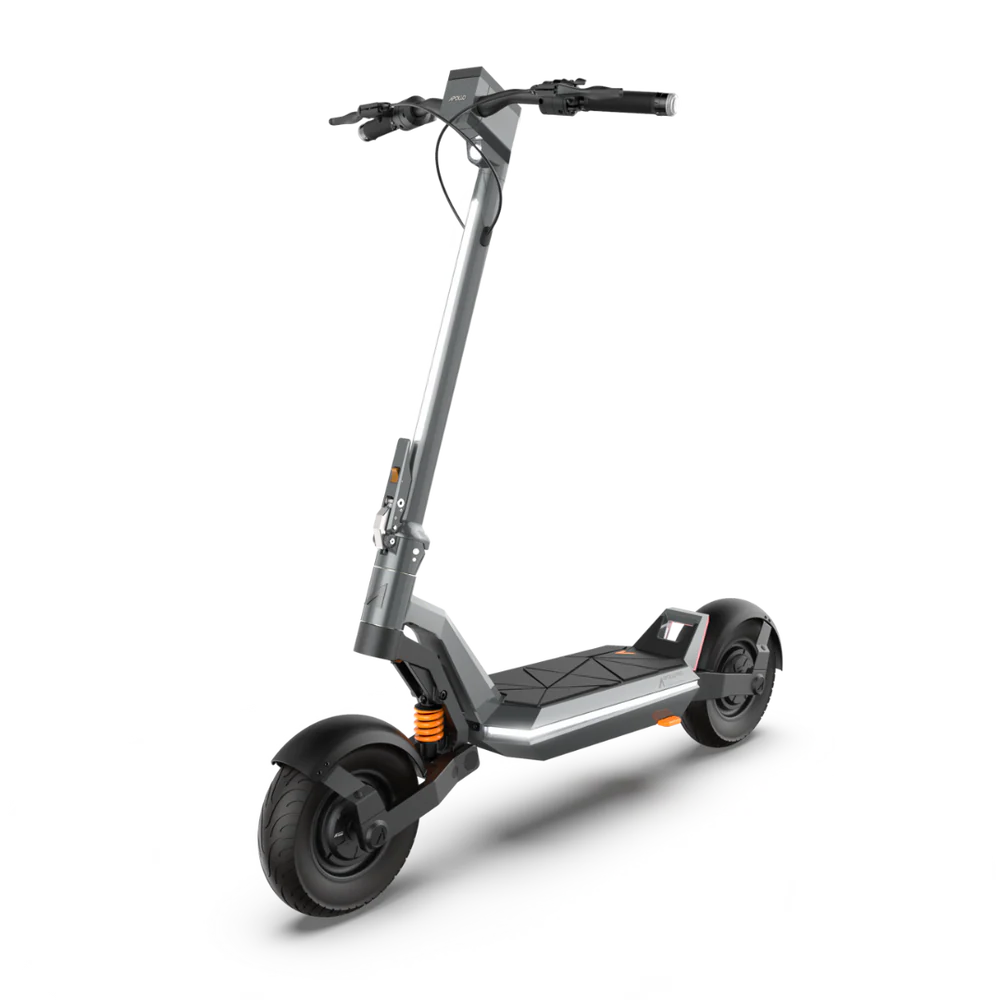
Apollo City Pro
The performance step-up for riders who want dual-motor power, superb suspension comfort, and strong hill-climbing ability without crossing into hyperscooter territory.
Top Picks in Detail
Below are our recommendations explained in more depth, including why experts agree and where each pick has trade-offs.
Best Budget Electric Scooter: NIU KQi 100P
BEST BUDGET ELECTRIC SCOOTER
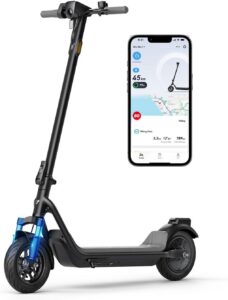
NIU KQi 100P
Delivers reliable performance and solid build quality at an entry-level price. With front suspension, 9.5-inch pneumatic tires, and NIU’s signature build quality, it offers a smoother ride than most scooters near its price point. Multiple expert sources recommend it as the best value for new riders.
If you buy through our links, we may earn a commission. This doesn’t affect our recommendations.
Why It’s a Top Pick
The NIU KQi 100P earned the broadest cross-source consensus of any budget electric scooter. Tom’s Guide names it their Best Budget pick, while Electric Scooter Guide includes it among their Best Electric Scooters for Most People. WIRED also calls it out favorably as an affordable option. Across these sources, the common thread is that the KQi 100P punches above its weight class — it feels more refined than its price suggests, with a cushy front suspension fork, a responsive drum brake, and a companion app for ride tracking and remote locking. For riders who need a dependable starter scooter without spending four figures, the 100P is the consensus pick.
What Experts Like
- Front suspension and 9.5-inch pneumatic tires deliver a noticeably smoother ride than competing budget models with solid tires and no suspension
- NIU’s build quality is consistently praised across sources, with reviewers noting zero reliability issues after extended testing
- The companion app adds useful features like remote locking, speed mode customization, and ride tracking — uncommon at this price point
- UL 2272 certified and backed by NIU’s two-year warranty, the longest among budget scooters tested by Electric Scooter Guide
Trade-Offs to Consider
- Real-world range is modest — WIRED’s tester got under five miles (though the tester noted he is significantly larger than average), while other sources report closer to 11 miles under normal conditions
- Hill-climbing ability is limited; eRideHero found it handles 10% grades but fails steeper inclines, making it less suitable for hilly commutes
- At 38 pounds, it’s heavier than some entry-level competitors, though lighter than most scooters with suspension and pneumatic tires
Runners-Up
The budget tier shows moderate consensus, with no single product dominating all expert sources. These alternatives serve specific needs the winner doesn’t fully address.
- Segway E2 Pro — WIRED’s Best Budget pick, the E2 Pro offers Segway’s polished ecosystem including turn signals and Apple Find My integration. However, its range is similarly modest, and it lacks the suspension comfort of the NIU. It’s the better choice for riders who prioritize brand trust and ecosystem features over ride smoothness.
- Navee GT3 — eRideHero’s Best Under $500 pick stands out with exceptional hardware for the price: dual suspension, 10-inch tubeless tires, and a tested range of 18.7 miles. It offers features typically found on scooters at higher price points. The trade-off is heavier weight (46 pounds) and a newer brand with a smaller service network than Segway or NIU.
Best Commuter Electric Scooter: Segway Ninebot Max G3
BEST CONSUMER ELECTRIC SCOOTER
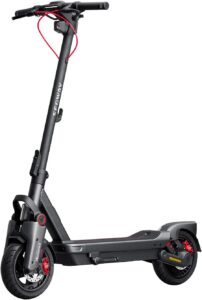
Segway Ninebot Max G3
The third generation of Segway’s flagship commuter scooter delivers the strongest cross-source consensus of any electric scooter in this review. Expert sources praise its dual hydraulic suspension, fast 3.5-hour charging, traction control system, and the range to handle real daily commutes.
If you buy through our links, we may earn a commission. This doesn’t affect our recommendations.
Why It’s a Top Pick
The Segway Max G3 has the strongest current consensus of any electric scooter. WIRED names it Best Commuter Scooter, noting the 3.5-hour recharge time eliminates one of the most common pain points in scooter ownership. TechGearLab awards it the highest overall score (87 out of 100) in their lab-tested rankings. Tom’s Guide selects it as Best for Long Distances, and CNET highlights it for its combination of speed, safety features, and style. Electric Scooter Guide praises its adjustable hydraulic suspension and 11-inch tires for delivering a “plush without being squishy” ride feel.
A note on the Segway recall: the Segway Ninebot Max G30LP and G30P — top-picks by Wirecutter and CNN Underscored, respectively — were subject to a voluntary recall in March 2025 for a folding mechanism issue. Segway identified and addressed the problem, and is providing free maintenance kits to owners of affected units sold between January 2020 and February 2025. Wirecutter continues to recommend both models. We include the G30P as a runner-up below. Buyers should confirm any used unit has received the maintenance kit.
What Experts Like
- Dual front and rear adjustable hydraulic suspension paired with 11-inch self-sealing tubeless tires produces what multiple reviewers describe as the smoothest ride in its class
- FlashCharge technology delivers a full charge in just 3.5 hours — roughly half the time required by competing scooters, and a feature WIRED’s reviewer singled out as his favorite aspect of the scooter
- The traction control system improves stability on wet or slippery surfaces, a safety feature that differentiates the G3 from most competitors
- A full-color TFT display offers turn-by-turn navigation, incoming call notifications, and real-time ride stats, with the Segway app providing extensive customization options
Trade-Offs to Consider
- At 54 pounds, the G3 is manageable but not lightweight — WIRED notes that carrying it up a few flights of stairs is “manageable” but not effortless
- The scooter carries a premium price point relative to single-motor commuter alternatives, reflecting its advanced feature set
- WIRED observed that speeds decreased slightly on the incline of the Williamsburg Bridge in the default Drive mode, though this did not occur in Sport mode
Runners-Up
- Apollo Go — A strong non-Segway alternative that earned WIRED’s Best Overall and CNET’s Best Overall designations. Its dual 350-watt motors provide strong acceleration and hill-climbing capability in a 46-pound package, and the Apollo app offers excellent ride customization. The main trade-off versus the G3 is a shorter tested range (approximately 15 miles per WIRED versus roughly 19 for the G3) and a 36-volt system that loses some performance as the battery depletes.
- Segway Ninebot Max G2 — The G3’s predecessor remains widely available and highly regarded. Car and Driver and Popular Mechanics both name it Best Overall in their tested lineups, and TechGearLab ranks it as their Best Range pick (score 83). It lacks the G3’s hydraulic suspension and fast charging but offers proven Segway reliability at a lower price point. An excellent choice for riders who want the Segway ecosystem without the G3’s premium.
- Segway Ninebot Max G30P — Wirecutter’s Upgrade Pick and CNN Underscored’s Top Pick, the G30P delivers strong range — Wirecutter recorded 24 miles per charge, roughly 20% more than the G30LP. It shares the same sturdy construction and intuitive controls as the rest of the Ninebot Max lineup. Note that the G30P was subject to a voluntary recall in March 2025 for a folding mechanism issue; Segway has addressed the problem and provides free maintenance kits to affected owners. Buyers purchasing used should confirm the maintenance kit has been applied.
Best Lightweight Electric Scooter: NIU KQi Air
BEST LIGHTWEIGHT ELECTRIC SCOOTER
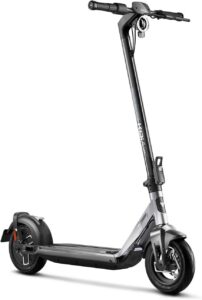
NIU KQi Air
The NIU KQi Air uses a carbon-fiber frame to achieve a class-leading 26 pounds without the ride-quality compromises typical of ultralight scooters. Its combination of proper 9.5-inch pneumatic tires, wide deck, and strong tested range sets it apart from every other scooter in its weight class.
If you buy through our links, we may earn a commission. This doesn’t affect our recommendations.
Why It’s a Top Pick
For riders who need to carry their scooter regularly — up stairs, onto trains, into offices — weight is the deciding factor. The NIU KQi Air addresses this need without forcing the harsh-ride compromises typical of ultralight scooters. eRideHero names it Best Ultralight Commuter and records the best range-to-weight ratio ever tested in any electric scooter, at 0.91 miles per pound. Car and Driver awards it Most Agile in their tested lineup, praising the carbon-fiber frame’s maneuverability and the built-in security system with NFC unlocking.
What makes the KQi Air exceptional is that it rides like a full-size commuter. Most sub-30-pound scooters force riders onto harsh solid tires with narrow decks and cramped handlebars. The KQi Air instead delivers proper 9.5-inch tubeless pneumatic tires, a wide deck, and full-width handlebars — an engineering achievement that no competitor in this weight class currently matches.
What Experts Like
- Carbon-fiber construction brings weight down to just 26 pounds without sacrificing deck width, handlebar width, or tire size
- eRideHero’s testing recorded 24.2 miles of real-world range and a 20.1 mph top speed — performance figures that rival many full-weight commuter scooters
- The 48-volt battery system maintains consistent power even as the charge level drops, unlike 36-volt systems that lose performance below 50%
- NFC card unlocking and Bluetooth security features provide anti-theft protection — important for a scooter likely to be parked in public during the workday
Trade-Offs to Consider
- The carbon-fiber frame commands a premium price that significantly exceeds heavier commuter scooters with comparable performance specs
- The handlebars do not fold down, so the KQi Air is not as compact as some folding designs when stored
- No suspension system — the pneumatic tires provide shock absorption, but riders on consistently rough roads may prefer a heavier scooter with dedicated suspension
Runners-Up
- Unagi Model One Voyager — WIRED’s Best Lightweight pick at 30 pounds, with an elegant carbon-fiber design and dual motors. Car and Driver also praises its sleek aesthetics. However, its 7.5-inch solid tires produce a notably harsher ride than the NIU’s pneumatic tires, and WIRED’s tester extracted only about 10 miles of range. Availability has shifted toward a subscription model, though outright purchase remains an option. Buyers should verify current purchase options before committing.
Best Enthusiast Electric Scooter: Apollo City Pro
BEST ENTHUSIAST ELECTRIC SCOOTER
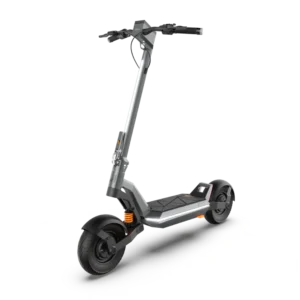
Apollo City Pro
For riders who want meaningfully more performance than a standard commuter scooter, the Apollo City Pro delivers dual-motor power, exceptional suspension comfort, and strong hill-climbing ability. Expert sources consistently place it at the top of the mid-range enthusiast tier for its balance of speed, comfort, and build quality.
If you buy through our links, we may earn a commission. This doesn’t affect our recommendations.
Why It’s a Top Pick
The Apollo City Pro occupies a clear step above the commuter segment for riders who want more from their scooter. eRideHero names it Best Mid-Range Comfort, recording a tested top speed of 32.3 mph and 29.8 miles of real-world range with what the reviewer describes as the best suspension comfort under the enthusiast price tier. Tom’s Guide selects it as Best for Hills, and Electric Scooter Guide includes it in their Enthusiast picks. The dual 500-watt motors deliver serious acceleration — eRideHero clocked 0 to 15 mph in just 2.33 seconds — and the triple-spring suspension keeps the ride controlled and comfortable even at higher speeds.
What Experts Like
- Triple-spring suspension system provides what eRideHero describes as superb comfort that “soaked up bumps and rough city pavement” even near the scooter’s top speed
- Self-healing 10-inch tubeless tires reduce the risk of punctures and eliminate the need for frequent tire maintenance
- IP66 water resistance means the scooter handles rain without concern, a practical advantage for daily riders who can’t always avoid wet conditions
- Regenerative braking paired with drum brakes offers reliable stopping power with virtually no maintenance requirements
Trade-Offs to Consider
- At 65 pounds, portability is significantly limited — this is not a scooter you’ll carry up multiple flights of stairs or onto public transit with ease
- The scooter sits at a meaningfully higher price point than single-motor commuter alternatives, reflecting its performance tier
- While the approximately 30-mile range is solid, some single-motor commuters like the Segway Max G3 and VMAX VX2 Pro GT deliver comparable or greater range at lower weight
Runners-Up
- Apollo Phantom 2.0 — WIRED tested this scooter and praised its exceptional ride quality, thick 11-inch self-healing tires, and dual-spring suspension. CNET also recommends it for riders who “want more.” The Phantom 2.0 is capable of speeds up to 44 mph and offers outstanding range. However, its 102-pound weight is a significant constraint — WIRED’s reviewer emphasizes this scooter is practical only if you have ground-level storage or a garage. At this weight and speed capability, it sits at the outer boundary of our approved scope, and riders should treat it as a near-motorcycle-class vehicle that demands appropriate safety gear and storage arrangements.
How to Choose the Right Electric Scooter for You
Start with your commute distance and terrain. The single most important factor in choosing an electric scooter is how far you need to travel and what the roads look like along the way. Advertised range figures are almost always optimistic — expert testers consistently record 50—70% of the manufacturer’s claimed range under real-world conditions. If your round-trip commute is 10 miles, look for a scooter with at least 20 miles of advertised range to provide a comfortable margin. Hilly terrain drains batteries faster and demands a more powerful motor, so flat-terrain commuters can get by with less.
Decide how much you need to carry your scooter. If your commute involves stairs, public transit, or storing the scooter under a desk, weight is critical. Scooters under 35 pounds are genuinely portable; scooters over 50 pounds are practical only for roll-in, roll-out storage. The lightest scooters sacrifice range and suspension, while the longest-range scooters tend to be heavy. There is no scooter that excels at both, so prioritize the dimension that matters most to your daily routine.
Prioritize safety certifications and tire type. Every expert source we consulted emphasizes UL 2272 certification, which verifies the safety of the scooter’s electrical and battery system through independent lab testing. Pneumatic (air-filled) tires provide significantly better ride comfort and grip than solid tires, especially on wet or uneven surfaces — though they can get flats. Self-healing tubeless tires, available on mid-range and premium models, offer a good compromise. Solid tires are maintenance-free but deliver a harsher ride and less traction in wet conditions.
Match your speed needs to local regulations. Electric scooter laws vary by state and city. Many jurisdictions limit speeds to 15—20 mph on public roads and bike lanes. Before purchasing a high-speed scooter, check your local regulations. A scooter that can go 30 mph is only useful at that speed where it’s legal and safe to do so. For most urban commuters, a 15—20 mph top speed is sufficient and keeps you within legal limits in most areas.
Consider suspension and braking systems for longer or faster rides. If you plan to ride more than a few miles regularly, or at speeds above 15 mph, suspension and effective braking become important comfort and safety factors. Dual suspension (front and rear) absorbs road imperfections and reduces rider fatigue on longer trips. Dual braking systems — combining mechanical brakes with electronic regenerative braking — provide more controlled stops than either system alone. Budget scooters often lack suspension entirely, which is acceptable for short, smooth-pavement trips but becomes uncomfortable over distance or on rough roads.
Brand ecosystem and after-sales support matter more than you might expect. Electric scooters require occasional maintenance — brake adjustments, tire replacements, firmware updates — and the quality of a manufacturer’s support network varies widely. Established brands like Segway, NIU, and Apollo offer companion apps, warranty support, and readily available replacement parts. Newer or smaller brands may offer compelling specs at lower prices but with less robust after-sales infrastructure. If this is your first electric scooter, the peace of mind from a well-established brand can be worth a modest price premium.
How We Make Our Recommendations
Our recommendations follow a documented, repeatable editorial process designed to prioritize expert agreement, comparability, and clarity.
For each category, we:
- Define clear category scope and exclusions
- Identify and vet independent expert review sources
- Inventory all products reviewed across those sources
- Analyze patterns of agreement and disagreement
- Apply editorial judgment only after consensus is documented
When a category includes materially different product types, we segment recommendations rather than forcing a single “best overall.” For more information, see How We Work.
Sources & Citations
Primary Sources
- CNET, Best Electric Scooter for 2026, Dec. 2025
- CNN Underscored, The best electric scooters in 2026, tried and tested, Jan. 2026
- Electric Scooter Guide, Best Electric Scooters 2025: 200+ Real Reviews Bringing You the Perfect Scooters, July 2025
- eRideHero, The Best Electric Scooters in 2025, Feb. 2026
- TechGearLab, The Best Electric Scooters, May 2025
- Tom’s Guide, These are the best electric scooters we’ve tested for commutes, hill rides and grocery runs, Feb. 2026
- Wirecutter, The Best Electric Scooter, Oct. 2025
- WIRED, The Best Electric Scooters, Dec. 2025
Secondary Sources Consulted for Context
- Buy Side from WSJ, The Best Electric Scooters Under $1,000, Oct. 2024
- Car and Driver, Tested: Best Electric Scooters for 2026, Nov. 2025
- Men’s Health, The 6 Best Electric Scooters, According to Gear Editors, Feb. 2025
- NBC Select, The best electric scooters for a quick commute, April 2025
- Popular Mechanics, The 3 Best Electric Scooters for Adults on the Go, Tested, July 2025
- Rider Guide, The Best Electric Scooters Under $1600
- TechRadar, The best electric scooters 2025: top picks for every need, Jan. 2025
Additional Sources Reviewed
- Road & Track, The Top Electric Scooters for Adults of 2025, Jan. 2025
Updates & Ongoing Review
This review is monitored on an ongoing basis. We update recommendations when expert sources publish new test results, products are discontinued, or consensus meaningfully changes.
Version History
- 2026-03-12 — Initial publication