
Best Sleeping Bags (Expert Consensus)
Last reviewed: 2026-07-10
(This page is updated periodically as expert recommendations and market conditions change.)
Disclosure: This page contains affiliate links. If you buy through our links, we may earn a commission. This does not influence our recommendations or rankings.
Sources
19
expert sources consulted
Products
125
products considered
Consensus Picks
21
top picks 🥇 & runners-up 🥈
Category Overview & Market Context
What This Category Is
A sleeping bag is the insulation layer of a sleep system — the piece of gear most responsible for whether a night outdoors is restful or miserable. This review covers bags for backpacking, car camping, ultralight travel, winter conditions, couples, and tight budgets. Quilts are a related but distinct product type and are excluded from this category; several expert sources maintain separate quilt guides, and we note the boundary where it matters.
State of the Market
Two industry shifts define the 2026 sleeping bag market. The first is inclusive sizing: REI Co-op relaunched its flagship Magma line as a unisex bag in nine sizes, a move several expert guides highlight, and Backpacker built its Magma coverage around that sizing story. The second is sustainability: NEMO’s Endless Promise program rebuilt the popular Disco line around recyclable single-material construction, recycled fabrics and PFAS-free treatments are now standard talking points across guides, and Wirecutter notes that PFAS-treated gear is banned from sale in some states as of January 2025.
Materials also moved this cycle. Feathered Friends rolled a Pertex Quantum Pro shell update across its ultralight series for 2026 — Better Trail calls out the update in its current guide — and Exped launched the Terra series, a value-priced down line that immediately picked up value awards from Outdoor Gear Lab and CleverHiker. At the budget end, long-running staples like the Kelty Cosmic Down 20 and Coleman Brazos continue to anchor expert value picks year after year.
Who This Is For / Not For
This review is for buyers who want the confidence of expert consensus without reading twenty separate guides: weekend backpackers, car campers, couples shopping for a shared bag, winter campers weighing warmth against weight, and anyone trying to spend less without buying twice. The segment structure below lets you jump straight to the use case that matches your trips.
It is not for buyers seeking quilts (excluded from this category), youth-specific bags, or expedition gear rated below -20 degrees Fahrenheit — the coldest-rated products here top out at that mark. And if you sleep exclusively indoors in a bed, we admire your commitment to reading gear reviews anyway.
How This Review Was Produced
This review is based on expert consensus rather than a single reviewer’s opinion.
We analyze and synthesize recommendations from multiple independent expert review sources that meet our editorial quality and transparency standards. We document where experts agree, where they differ, and why. No single source determines our recommendations.
We do not conduct original product testing. Instead, we rely on experts who do — such as publications that perform hands-on testing, lab measurements, or clearly documented evaluation methodologies.
Manufacturers do not influence our recommendations. Advertising, affiliate relationships, or commercial considerations do not affect which products are included, how they are ranked, or how they are described.
When helpful, we also consult additional secondary review outlets to understand how broader expert opinion aligns — or conflicts — with the primary consensus. These secondary sources do not determine winners but may provide context or confirmation.
Top Picks at a Glance
Best Backpacking Sleeping Bag (3-Season)
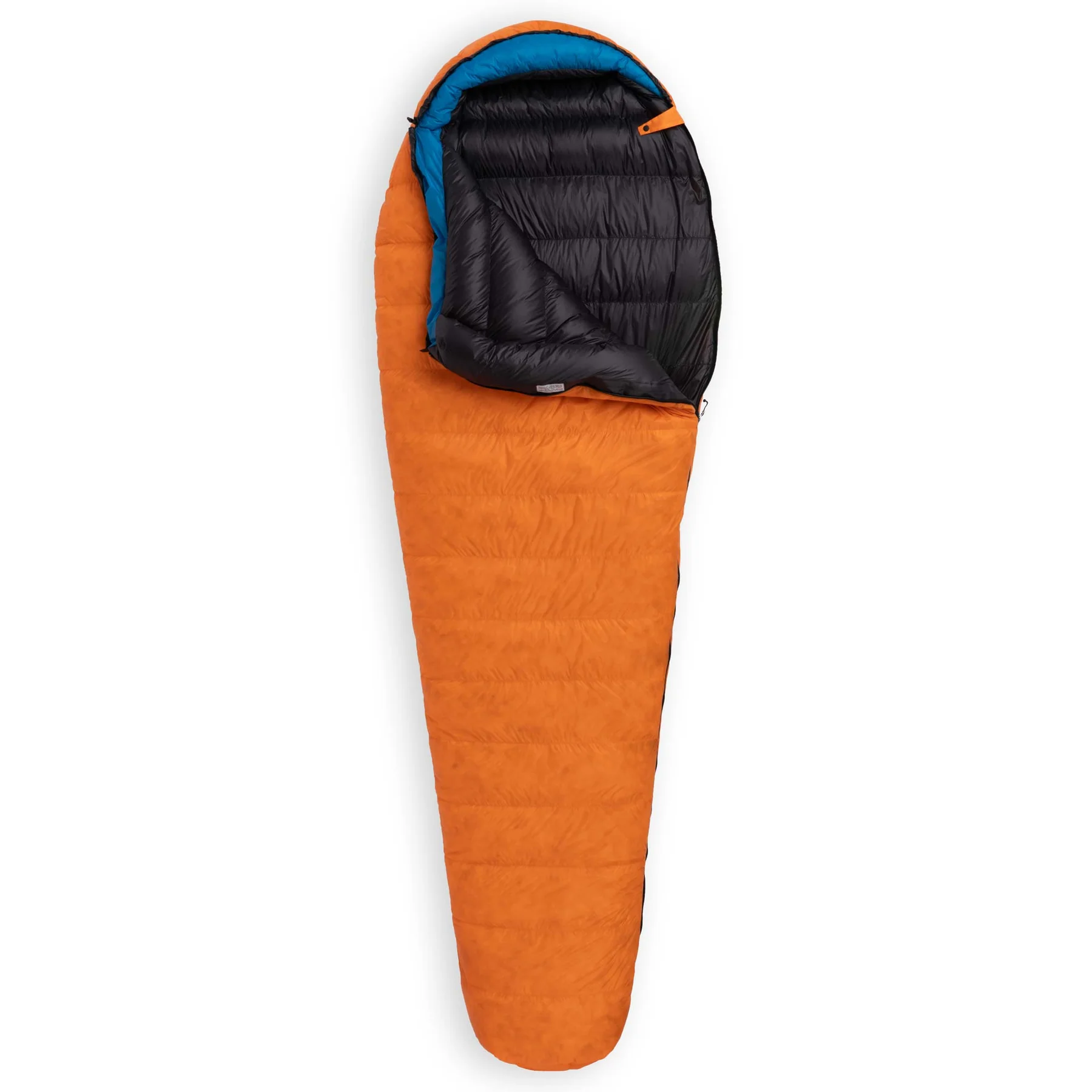
Feathered Friends Swallow UL 20
Five Primary sources single it out; premium 950-fill warmth-to-weight and a newly weather-hardened shell make it the bag to carry when every ounce and every forecast counts.
Best Camping Sleeping Bag
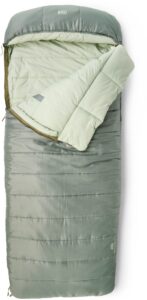
REI Co-op Siesta Hooded 20
Five Primary guides name it their top camping bag — a genuinely warm integrated hood, a roomy rectangular cut, and easy-care synthetic fill that shrugs off campground damp.
Best Ultralight Sleeping Bag
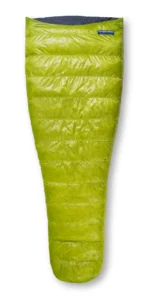
Feathered Friends Tanager 20 CFL
The only bag three Primary sources agree on in a split field: it deletes the hood entirely to reach a class-leading weight for a 20-degree rating — pack a warm hat and save the ounces.
Best Cold-Weather Sleeping Bag
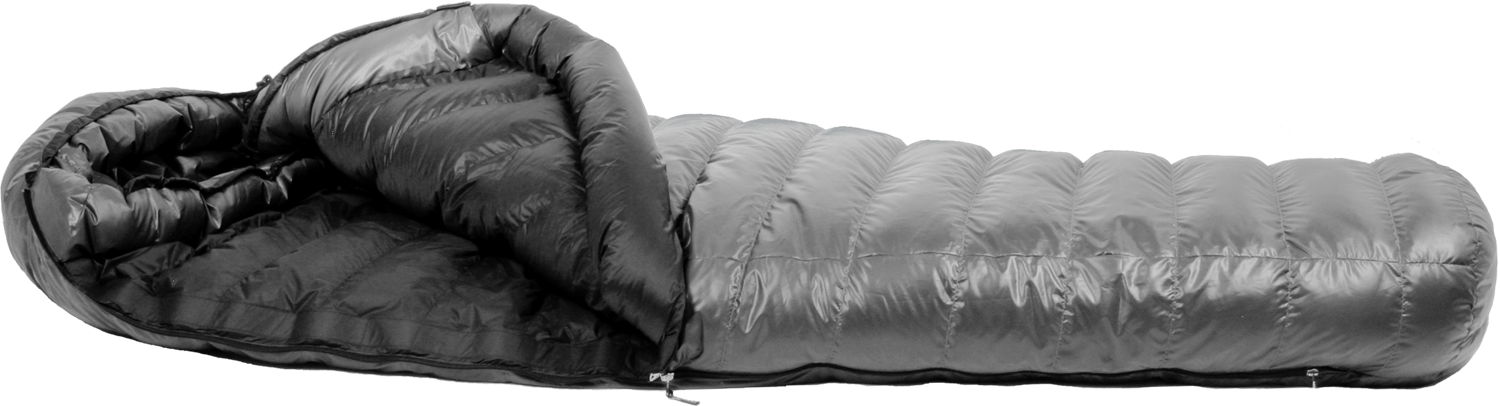
Western Mountaineering Kodiak MF
Outdoor Gear Lab’s winter-guide winner and top scorer — a wide-cut zero-degree bag with room to stash boots and water against freezing, in a test that weights moisture handling at a quarter of the score.
Best Double Sleeping Bag
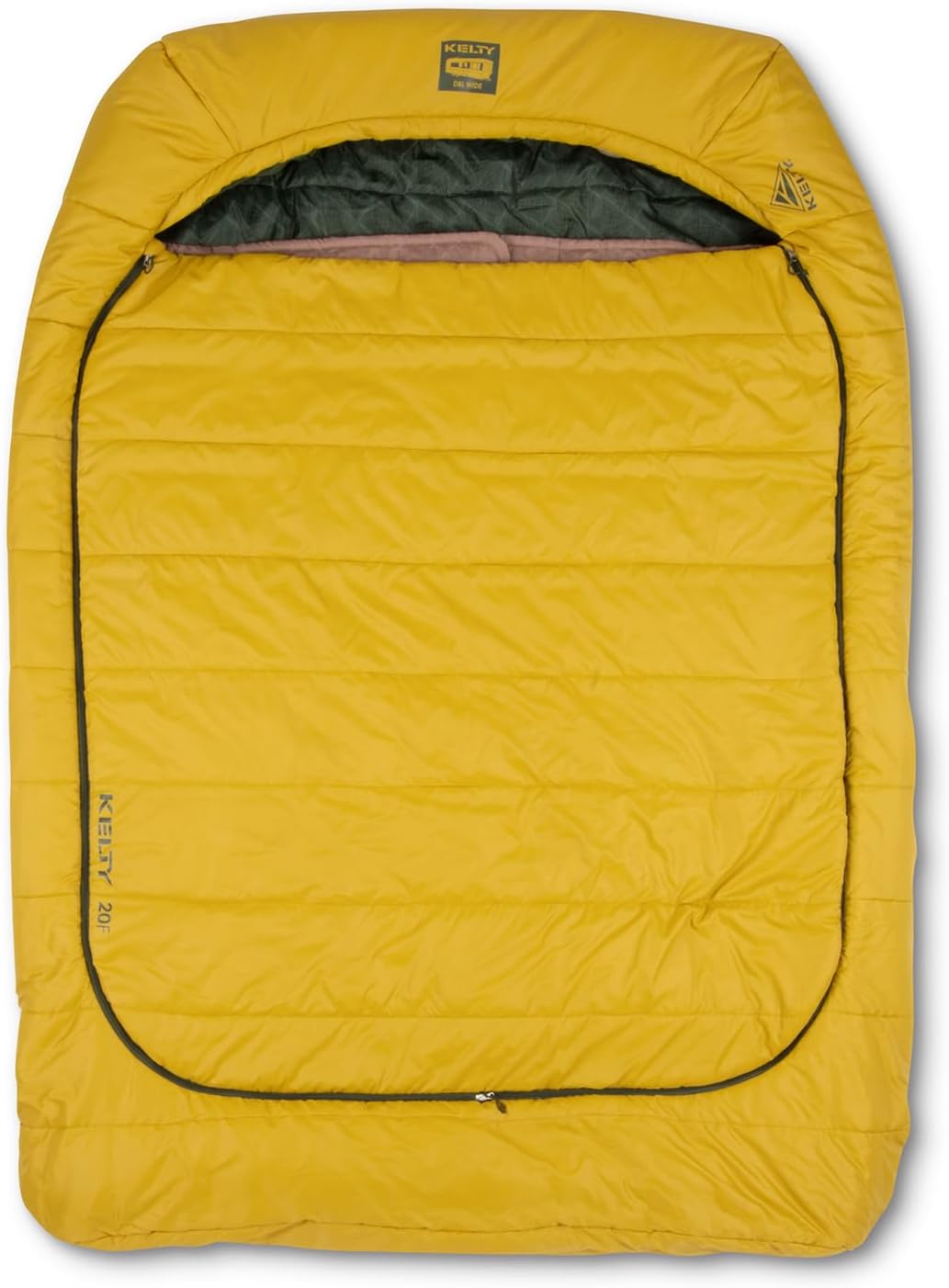
Kelty Tru.Comfort Doublewide 20
Our pick in a dead-even expert split — a plush, affordable synthetic double designed for two sleepers from the ground up rather than a zip-two-bags-together compromise.
Best Budget Sleeping Bag
Kelty Cosmic Down 20
Real down warmth, packability, and multi-decade staying power at a starter price — the budget bag four Primary sources award and a fifth crowns outright.
🔍 Where the Experts Disagree
Why do the most-picked cold-weather bags score near the bottom of Outdoor Gear Lab’s winter test?
The split. The Mountain Hardwear Phantom 0 is the segment’s most-picked bag — SectionHiker lists it, Switchback Travel names it its Best Winter/High-Altitude Sleeping Bag, and CleverHiker names it Best Winter Sleeping Bag for Backpackers — yet it scores 56 in Outdoor Gear Lab’s winter test, near the bottom of the field. The Marmot Lithium shows the same pattern: SectionHiker leads its winter list with it, while Outdoor Gear Lab scores it 59.
Why they differ. Outdoor Gear Lab’s published winter methodology weights moisture management at a full quarter of its score, and its comparative field protocol ranks warmth per condition rather than feature set — both bags land near the bottom of its overall field. The sources that pick them are naming bags for backpacking and high-altitude use, the lens their own award names describe.
What it means for you. A cold-weather buyer is choosing between the most-picked bag and the best-scoring bag — our winner, the Western Mountaineering Kodiak MF — and the difference is a real trade-off, not noise. If your winters are wet or your trips are long, Outdoor Gear Lab’s moisture-weighted scoring deserves extra weight in your decision. If you are counting grams for high-altitude objectives in cold, dry conditions, the pick-driven consensus behind the Phantom 0 is telling you something the score misses.
Top Picks in Detail
Below are our recommendations explained in more depth, including why experts agree and where each pick has trade-offs.
Best Backpacking Sleeping Bag (3-Season): Feathered Friends Swallow UL 20
BEST BACKPACKING SLEEPING BAG (3-SEASON)
Feathered Friends Swallow UL 20
The Swallow UL 20 earns pick-level designations from five Primary sources — the deepest single-variant agreement among three-season backpacking bags. CleverHiker, GearJunkie, and Treeline Review each name it their top backpacking bag, Backpacker awards it Best in Inclement Weather, and Switchback Travel files it as Best Premium. The 2026 version adds a more weather-resistant Pertex Quantum Pro shell to an already class-leading warmth-to-weight design.
If you buy through our links, we may earn a commission. This doesn’t affect our recommendations.
Why It’s a Top Pick
Expert agreement on the Swallow UL 20 is unusually deep for a premium bag from a small maker. CleverHiker and GearJunkie both name it the winner of their backpacking guides, Treeline Review names it the winner of its men’s backpacking rankings, Backpacker designates it Best in Inclement Weather, and Switchback Travel calls it the Best Premium option — five pick-level designations across five independent test programs. Better Trail rates it as well, and specifically highlights the 2026 update: a more durable, water-resistant Pertex Quantum Pro shell.
One variant distinction matters when you shop. Wirecutter’s corresponding pick is the Swallow YF 20 — a separate, less expensive line with a different shell fabric — not the UL. Both are current Feathered Friends products; this review’s consensus applies to the UL version the five sources above evaluated.
What Experts Like
- Warmth-to-weight at the top of the three-season class, driven by high-fill-power down
- The 2026 Pertex Quantum Pro shell update, which Better Trail credits with improved durability and water resistance
- Performance in wet, cold conditions — the basis for Backpacker’s Best in Inclement Weather designation
- Build quality from a small Seattle maker that experts consistently describe as heirloom-grade
Trade-Offs to Consider
- It carries a significant price premium — Switchback Travel classes it as a premium pick rather than a value one
- The naming overlap with the cheaper Swallow YF 20 invites an easy ordering mistake, since the two lines share a name but not a shell fabric
- Down insulation of this caliber demands careful storage and drying habits to preserve loft over its lifespan
Runners-Up
The runners-up show how different expert lenses produce different favorites: a lab-scored all-rounder, a sustainability-first comfort pick, and a budget stalwart.
- REI Co-op Magma 15 — Switchback Travel’s top backpacking pick; the Magma line’s nine-size unisex relaunch anchors Backpacker’s sizing coverage (its Best Sizing Options award lands on the Magma 30), CleverHiker’s inclusive-sizing award goes to the 15, Treeline Review names it Best Budget, SectionHiker leads its down list with it, and The Trek names it Top Sleeping Bag on the Appalachian Trail. It falls short of the Swallow’s five pick-level designations, with one Primary winner nod.
- NEMO Disco 15 Endless Promise — The consensus comfort-and-sustainability pick: CleverHiker awards it Best Features, Better Trail names it the roomiest choice for side sleepers, Switchback Travel calls it Most Comfortable and Feature-Rich, and SectionHiker includes it in its top-ten down list. Note an active model transition: NEMO moved the Disco into its recyclable Endless Promise construction, and all endorsing sources reference the Endless Promise version — that is the bag to buy. It earns award-level support without a guide-winner designation.
- Kelty Cosmic Down 20 — The budget consensus, with value awards from CleverHiker, Backpacker, and Switchback Travel; it also wins our standalone Best Budget segment and appears among the Camping runners-up. Its support comes through the value lens rather than outright performance, which keeps it out of the top spot here.
Best Camping Sleeping Bag: REI Co-op Siesta Hooded 20
BEST CAMPING SLEEPING BAGS
REI Co-op Siesta Hooded 20
No product in this review commands broader agreement: CleverHiker, GearJunkie, Better Trail, Switchback Travel, and Wirecutter all name the Siesta Hooded 20 their top camping pick, and Treeline Review adds a Best Synthetic award. It is a roomy, hooded rectangular bag whose comfort-per-dollar the experts consider unmatched for campground use.
If you buy through our links, we may earn a commission. This doesn’t affect our recommendations.
Why It’s a Top Pick
Five Primary guide winners on one product is the strongest consensus anywhere in this category. CleverHiker, GearJunkie, Better Trail, and Switchback Travel each name the Siesta Hooded 20 the winner of their camping guides, and Wirecutter makes it its top pick for car camping. Treeline Review adds a Best Synthetic designation, and Outdoor Gear Lab scores it a solid 78 in its camping test. Among Secondary sources, Consumer Reports rates it the comfiest bag of its evaluation, and WIRED lists it as a car-camping pick.
The consensus centers on the same qualities across sources: genuine warmth from an integrated hood — rare at this price — a roomy rectangular cut, and synthetic insulation that tolerates damp campground conditions without the care demands of down.
What Experts Like
- An integrated hood that meaningfully extends its comfortable temperature range for a campground bag
- Roomy rectangular comfort that still zips down for cooler nights
- Synthetic fill that shrugs off damp conditions and machine-manageable care
- Value strong enough that five independent test programs reached the same verdict
Trade-Offs to Consider
- Packed size and weight rule it out for backpacking — this is a car-camping bag, full stop
- Synthetic insulation gives up warmth-to-weight against down alternatives at similar ratings
- Its four-size range is narrower than the nine-size approach REI takes with the Magma line
Runners-Up
The alternatives cover the camping extremes the Siesta doesn’t chase: heavy-duty cold-weather builds, a down crossover, and a plush no-frills option. For the tightest budgets, the Coleman Brazos carries budget awards from three Primary sources — Outdoor Gear Lab, CleverHiker, and Switchback Travel — and anchors our Best Budget segment; note the sources split between its 30-degree and 20-degree fills, both current.
- ALPS OutdoorZ Redwood — Outdoor Gear Lab’s camping-guide winner and its Best Heavy-Duty Camping pick in the overall guide, with Switchback Travel awarding the -25 version Best Camping Sleeping Bag for Cold Weather. One caution: the Redwood sells in -10 and -25 degree fills, and sources reference different listings — Outdoor Gear Lab tested the -10, while Switchback Travel and Treeline Review reference the -25. Its single guide-winner count against the Siesta’s five keeps it a runner-up.
- Kelty Cosmic Down 20 — Treeline Review’s overall camping winner — tested in its 21-degree men’s and 25-degree women’s listings — plus Switchback Travel’s Best Affordable Down Fill Sleeping Bag camping pick. A backpacking bag that crosses over to campground duty; it also wins our Best Budget segment and appears among the Backpacking runners-up. A single camping-guide winner designation keeps it behind the Siesta here.
- The North Face Wawona Bed 20 — CleverHiker’s Most Comfortable No-Frills pick, with Outside Online naming it Best Budget Sleeping Bag in its budget-tiers guide. A plush rectangular bed-style bag; two-Primary support places it behind the deeper consensus picks.
Best Ultralight Sleeping Bag: Feathered Friends Tanager 20 CFL
BEST ULTRALIGHT SLEEPING BAG
Feathered Friends Tanager 20 CFL
In a segment where four expert guides crowned four different bags, the Tanager 20 CFL is the only product three Primary sources independently single out: Switchback Travel’s Best Hoodless Ultralight, Backpacker’s Best for Fastpacking, and the lead position on SectionHiker’s ultralight list. It achieves its weight the honest way — by deleting the hood entirely — which is also its defining trade-off.
If you buy through our links, we may earn a commission. This doesn’t affect our recommendations.
Limited Consensus Note: The experts split in this segment. Four dedicated Primary ultralight guides produced four different top picks: Outdoor Gear Lab chose the Sea to Summit Spark 30, Switchback Travel the Feathered Friends Hummingbird UL 30, Backpacker the Sea to Summit Spark Pro Down 30, and SectionHiker led its list with the Feathered Friends Tanager 20 CFL. No two Primary sources name the same variant as their top ultralight bag. We name the Tanager 20 CFL our pick because it is the only bag in the segment carrying three same-variant Primary designations; treat this segment’s recommendation as a judgment call on genuinely divided expert opinion.
Why It’s a Top Pick
Ultralight is where expert opinion fragments hardest, and the disclosure box above lays out the four-way split. Against that backdrop, the Tanager 20 CFL stands alone with three same-variant Primary designations: Switchback Travel names it Best Hoodless Ultralight, Backpacker names the Tanager CFL its fastpacking pick, and SectionHiker puts it first on its ultralight list. SectionHiker and Switchback Travel list it as the Tanager 20 — the same bag: CFL is part of Feathered Friends’ official model name. The Trek adds a Best Hoodless designation from the Secondary tier — support consistent enough that Feathered Friends displays the badge on the product page.
Know what you are buying: this is a hoodless bag by design. It sheds the hood to reach a class-leading weight for a 20-degree rating, and it expects you to wear an insulated hood or beanie on cold nights. Buyers who want a conventional hooded mummy should look at the runners-up.
What Experts Like
- A near-unmatched weight for a 20-degree down bag — the entire premise of the hoodless design
- 950-fill down and premium shell fabrics from the same Seattle workshop as the Swallow
- A snag-resistant construction and packability that fastpackers and thru-hikers single out
- Versatility as a quilt-like layer when opened up, without a quilt’s pad-attachment fuss
Trade-Offs to Consider
- No hood — cold sleepers must budget for insulated headwear, and some buyers will simply prefer a hooded mummy
- Premium pricing typical of made-in-USA down specialists
- The 20-degree rating assumes disciplined layering; it is not a bag that hides sloppy sleep systems
Runners-Up
Each runner-up here was somebody’s winner — that is what a split segment looks like. The Spark family also fragments across variants (15, 30, 45, and a separate Spark Pro line), so match the exact model name when you shop.
- Feathered Friends Hummingbird UL 30 — Switchback Travel’s overall ultralight winner, with additional support from TrailGroove. A conventional hooded design at a startling weight; its single Primary winner designation against the Tanager’s three same-variant nods decides the order here.
- Western Mountaineering SummerLite — Treeline Review’s Best Ultralight in both its men’s and women’s tables, with a place on SectionHiker’s list and a 68 in Outdoor Gear Lab’s scoring. The classic full-featured take on ultralight — no dedicated-guide winner designation, but steady multi-source respect.
- Sea to Summit Spark 30 — Outdoor Gear Lab’s ultralight winner, awarded Best Ultralight Hooded with a 75 score. Its consensus is confined to one Primary source, and the Spark family’s variant sprawl — 15, 30, 45, and Spark Pro — means cross-source support lands on different bags rather than accumulating on this one.
Best Cold-Weather Sleeping Bag: Western Mountaineering Kodiak MF
BEST COLD-WEATHER SLEEPING BAG
Western Mountaineering Kodiak MF
The Kodiak MF is Outdoor Gear Lab’s winter-guide winner and Best Winter pick in its overall guide, with the highest score in its winter test field, and SectionHiker includes it on its winter list. A generously cut zero-degree down bag whose roomy dimensions and moisture-tolerant shell make it the rare expedition-grade bag that comfort campers also praise.
If you buy through our links, we may earn a commission. This doesn’t affect our recommendations.
Moderate Consensus Note: Cold-weather consensus is moderate rather than strong, and the segment contains a genuine expert disagreement — the most-picked bags in the segment score near the bottom of Outdoor Gear Lab’s winter test. The Where the Experts Disagree box above explains the split and what it means for your decision. The Kodiak MF is the bag where scoring and picks align best, not a unanimous favorite.
Why It’s a Top Pick
Western Mountaineering’s Kodiak MF is where the segment’s scoring and its picks come closest to agreement. Outdoor Gear Lab names it the winner of its winter guide with an 80 — the top score in the field — and repeats the Best Winter designation in its overall sleeping bag guide. SectionHiker includes it on its winter list under the Kodiak 0 shorthand; both names refer to the same zero-degree bag, and this review uses the manufacturer’s Kodiak MF.
Winter guides prize interior room to store water and boots so they don’t freeze overnight — SectionHiker makes it a headline criterion — and the Kodiak’s famously wide cut delivers exactly that without the coffin squeeze of alpine race bags. Pair that with the moisture-handling MicroLite XP shell and you get the profile experts reward in comparative winter testing.
What Experts Like
- The best score in Outdoor Gear Lab’s winter test, anchoring its guide-winner designation
- A wide, comfortable cut with room for gear storage on cold nights
- Moisture management from the shell fabric — the axis Outdoor Gear Lab weights at a quarter of its winter score
- Made-in-USA down construction with a durability reputation experts treat as a given
Trade-Offs to Consider
- A significant price premium, standard for the maker
- The wide cut costs some thermal efficiency against trimmer alpine bags for weight-focused buyers
- Naming can confuse — retailers list it variously as Kodiak MF and Kodiak 0; they are the same zero-degree bag
Runners-Up
The runners-up embody the segment’s disagreement: the bag the most experts pick, the bag that outscored everything but won nothing, and the value option.
- Mountain Hardwear Phantom 0 — The most-picked bag in the segment — Switchback Travel’s Best Winter/High-Altitude Sleeping Bag, CleverHiker’s Best Winter Sleeping Bag for Backpackers, and a place on SectionHiker’s winter list — yet it scores just 56 in Outdoor Gear Lab’s winter test. That split is the subject of the disagreement box above, and it is exactly why the Phantom sits here rather than in the winner box.
- Feathered Friends Snowbunting ES 0 — Outdoor Gear Lab’s second-highest winter score at 79, plus a SectionHiker listing — but no source gives it a winner designation, an odd gap for a bag that outscores almost everything. A strong choice for buyers who trust scores over awards.
- NEMO Sonic -20 — Outdoor Gear Lab’s Best Bang for the Buck in the winter field with a 74, and the coldest rating among our picks. Note the variant: SectionHiker lists the Sonic 0, a distinct bag — the value designation here belongs to the -20.
Best Double Sleeping Bag: Kelty Tru.Comfort Doublewide 20
BEST DOUBLE SLEEPING BAG
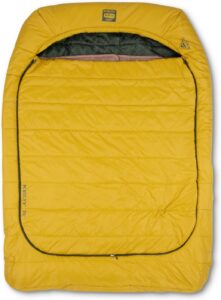
Kelty Tru.Comfort Doublewide 20
In a dead-even three-to-three expert split, the Tru.Comfort Doublewide 20 takes the segment on the quality of its designations: Outdoor Gear Lab names it Best Two-Person in both its camping and overall guides, CleverHiker calls it the Best Two-Person Camping bag outright, and Wirecutter makes it its pick for couples. A plush, affordable synthetic double with integrated comfort features couples actually use.
If you buy through our links, we may earn a commission. This doesn’t affect our recommendations.
Limited Consensus Note: This segment ends in a genuine three-to-three split among Primary sources. The Kelty Tru.Comfort Doublewide 20 carries designations from Outdoor Gear Lab, CleverHiker, and Wirecutter; the NEMO Jazz 30 Double carries designations from Switchback Travel, Outside Online, and GearJunkie. We name the Kelty our pick — its support includes two guide-winner-level designations and Outdoor Gear Lab’s Best Two-Person award in two separate guides — but buyers should treat both bags as expert-endorsed near-equals.
Why It’s a Top Pick
Double bags split the experts down the middle — see the disclosure above — and our call rests on designation quality. Outdoor Gear Lab awards the Tru.Comfort Doublewide 20 its Best Two-Person designation in two separate guides and scores it 77; CleverHiker names it the Best Two-Person Camping bag overall; and Wirecutter selects it as its top pick for couples. GearJunkie reviews it as well.
A note on the name: sources commonly write it as the Tru.Comfort 20 Doublewide, but Kelty’s current product name is Tru.Comfort Doublewide 20, and that is the form this review uses. Same bag, one word order — the manufacturer’s.
What Experts Like
- Comfort features built for two people — individual blanket-style top layers and a plush liner recur across reviews
- Best Two-Person designations from Outdoor Gear Lab in two separate guides, plus CleverHiker’s outright win
- A price that undercuts most purpose-built doubles without reading as cheap
- Synthetic fill that handles campground damp and washes without drama
Trade-Offs to Consider
- Strictly a car-camping bag — its bulk and weight make no pretense of portability
- A three-to-three expert split means nearly half the Primary designations in this segment went to the NEMO Jazz 30 Double instead
- The 20-degree rating is a couples-camping rating; cold sleepers sharing a bag should still layer
Runners-Up
The first runner-up lost a coin-flip, not a contest.
- NEMO Jazz 30 Double — The other half of the split, with three Primary designations of its own: Switchback Travel’s Best Double for Camping, Outside Online’s Best Splurge Sleeping Bag — which calls it the best setup for families and couples sharing a bag — and GearJunkie’s recommendation — plus The Inertia’s Best Double from the Secondary tier. Outdoor Gear Lab scores it 72. Its integrated washable sheet and pad-sleeve system draw consistent praise; the Kelty’s guide-winner-quality designations decide the order, nothing more.
- Exped MegaSleep Duo 25/40 — Outside Online’s Most Versatile Two-Person pick, with a Switchback Travel entry. Its dual-rated flip design — one side warmer, one cooler — is the clever-trick option; two-Primary support keeps it third.
Best Budget Sleeping Bag: Kelty Cosmic Down 20
BEST BUDGET SLEEPING BAG
Kelty Cosmic Down 20
The Cosmic Down 20 is the rare budget bag experts recommend without an asterisk: CleverHiker, Backpacker, and Switchback Travel all give it budget awards, Outdoor Gear Lab names it Best Value for a Down Sleeping Bag in its women’s guide, and Treeline Review goes further — naming it the outright winner of its camping guide. Real down warmth at a price that keeps first-time buyers from buying twice.
If you buy through our links, we may earn a commission. This doesn’t affect our recommendations.
Moderate Consensus Note: Budget consensus is moderate, borderline strong. The Cosmic Down 20 carries budget awards from four Primary sources plus a fifth Primary’s outright camping-guide win, but the budget-down lens has genuine dissent: GearJunkie’s budget-down pick is the Mountain Hardwear Bishop Pass, and Better Trail’s is the REI Co-op Radiant 20. The Cosmic also appears as a runner-up in two other segments — a crossover we disclose rather than hide.
Why It’s a Top Pick
Half the budget awards in this category land on one bag. CleverHiker names the Cosmic Down 20 Best Budget in its backpacking guide, Backpacker calls it Best Budget Bag, Switchback Travel gives it Best Budget Down Sleeping Bag in backpacking and Best Affordable Down Fill Sleeping Bag in camping, and Outdoor Gear Lab awards it Best Value for a Down Sleeping Bag in its women’s guide. Treeline Review supplies the strongest evidence that cheap does not mean compromised: it names the Cosmic the outright winner of its camping rankings, tested in the 21-degree men’s and 25-degree women’s listings. The Trek adds a Best Budget Down designation from the Secondary tier.
The dissent is real and worth stating plainly: GearJunkie’s budget-down pick is the Mountain Hardwear Bishop Pass, and Better Trail’s is the REI Co-op Radiant 20. Both are credible alternatives if you find them discounted below the Cosmic. And full disclosure on the crossover: the Cosmic Down 20 also appears among our Best Backpacking and Best Camping runners-up — three appearances, one bag, disclosed each time.
What Experts Like
- Genuine down insulation at a synthetic-bag price — the core of every award it holds
- Versatility credible enough for Treeline Review to hand it an outright camping-guide win
- The current generation’s recycled, PFAS-free fabrics, keeping a decade-old value staple contemporary
- Wide availability and frequent discounting that make its effective price even lower
Trade-Offs to Consider
- Heavier and bulkier than premium down bags — the pound you accept for the price you pay
- Budget-down dissent exists: GearJunkie and Better Trail each prefer a different bag in this exact niche
- 600-fill-class down needs the same careful wet-weather habits as premium fills, without premium loft
Runners-Up
The runners-up split the budget question by insulation and use case: the cheapest credible camping option, the synthetic backpacking value, and the new down challenger.
- Coleman Brazos — The camping-budget consensus: all three award sources name it their Best Budget Camping Sleeping Bag — Outdoor Gear Lab (overall guide), CleverHiker, and Switchback Travel (which picks the 20-degree fill) — and Outdoor Gear Lab’s camping guide calls it the best deal for a first-time camping bag. Sources split between its fills: CleverHiker and Outdoor Gear Lab reference the 30-degree version, Switchback Travel picks the 20-degree; both are current. Its camping-only lens keeps it behind the do-anything Cosmic.
- REI Co-op Trailmade 25 — The synthetic-budget consensus: Outdoor Gear Lab’s Best Value for a Synthetic Sleeping Bag, GearJunkie’s Best Synthetic Bag for Getting Into Backpacking, and Treeline Review’s camping budget pick. The current bag succeeds the retired Trailmade 20 and comes in nine sizes; synthetic-lens support places it third.
- Exped Terra 15 — The newest bag in this review — the Terra line launched for 2026 — and already Outdoor Gear Lab’s Best Value for a Down Sleeping Bag with CleverHiker naming it Very Warm and Affordable. Two-Primary support today; a bag to watch as more guides test it.
How to Choose the Right Sleeping Bag for You
Read temperature ratings as survival limits, not comfort promises. More than ten of our sources warn about the same trap: a bag’s advertised number is usually its European Norm (EN) or International Organization for Standardization (ISO) limit rating — the temperature at which a warm sleeper survives the night — not the comfort rating at which most people sleep well. The comfort rating typically runs 10 to 15 degrees warmer than the limit. Shop by the comfort number for how you actually sleep, and if you sleep cold, add margin on top of that.
Choose down for weight and packability, synthetic for wet conditions and price. Every source in this review works the same trade-off. Down delivers unmatched warmth-to-weight and compresses smaller, which is why nearly every backpacking pick here is down-filled; it costs more and demands careful drying and storage. Synthetic fill is heavier and bulkier but keeps insulating when damp, tolerates machine washing, and costs less — which is why the camping and double segments skew synthetic. Match the fill to the trip, not the marketing.
Your sleeping pad is half your warmth — pair R-values deliberately. SectionHiker, Treeline Review, Better Trail, and Live for the Outdoors all press the same point: a sleeping bag insulates above you, but the ground steals heat from below, and no bag rating survives an inadequate pad. For three-season use, experts commonly suggest a pad R-value around 4; for winter, 5 or higher, sometimes doubled up. If your nights run cold in a properly rated bag, upgrade the pad before replacing the bag.
Know where bags end and quilts begin. Backpacker’s ultralight guide covers bags and quilts side by side, Switchback Travel points readers to its dedicated quilt guide, and quilts run through the ultralight coverage at SectionHiker and Outdoor Gear Lab — but this review deliberately excludes them. The short version: quilts delete the hood and back insulation to save weight and rely on your pad and headwear to compensate — a trade the hoodless Feathered Friends Tanager 20 CFL flirts with while remaining a true bag. If maximum weight savings tempts you toward a full quilt, consult a dedicated quilt guide; the trade-offs differ enough to deserve their own comparison.
Hydrophobic down helps in damp climates — but it is a buffer, not a raincoat. Switchback Travel, Treeline Review, and SectionHiker each discuss water-resistant down treatments and moisture-resistant shells, and the theme runs through our cold-weather disagreement box: moisture management separates winter bags more than any spec sheet suggests. Treated down and shells like the Pertex updates on this year’s Feathered Friends bags buy you time against condensation and drizzle. They do not make a down bag a wet-weather tool — pack synthetic if soaking is likely.
Sizing has genuinely improved — take advantage of it. The industry’s move toward inclusive, unisex sizing is one of the defining stories of this cycle. Backpacker highlights REI’s release of nine new unisex sizes across the Magma line — its Best Sizing Options award lands on the Magma 30 — CleverHiker’s inclusive-sizing award goes to the Magma 15, and Outdoor Gear Lab and Treeline Review both maintain women’s-specific rankings — notably, Treeline’s women’s winner is the women’s counterpart of its unisex winner, while Outdoor Gear Lab’s women’s guide crowns a different bag entirely. A bag that fits closely without compressing the fill is warmer than a roomy one; use the expanded size runs to get that fit rather than defaulting to regular.
Storage and care determine whether a good bag stays good. Treeline Review, SectionHiker, and Better Trail converge on the least glamorous advice in this review: never store a bag compressed. Down loft — and to a lesser degree synthetic loft — is the insulation, and months in a stuff sack kill it. Store bags hanging or in the large mesh sack most makers include, air them after trips, and wash down bags with down-specific soap only when genuinely needed. The bags in this review are multi-decade purchases when treated that way.
How We Make Our Recommendations
Our recommendations follow a documented, repeatable editorial process designed to prioritize expert agreement, comparability, and clarity.
For each category, we:
- Define clear category scope and exclusions
- Identify and vet independent expert review sources
- Inventory all products reviewed across those sources
- Analyze patterns of agreement and disagreement
- Apply editorial judgment only after consensus is documented
When a category includes materially different product types, we segment recommendations rather than forcing a single “best overall.” For more information, see How We Work.
Sources & Citations
Primary Sources
- Backpacker, The Best Backpacking Sleeping Bags of 2026, May 2026
- Backpacker, The Best Ultralight Bags and Quilts of 2026, May 2026
- Better Trail, Best Backpacking Sleeping Bags of 2026, May 2026
- Better Trail, Best Camping Sleeping Bags of 2026, May 2026
- CleverHiker, Best Backpacking Sleeping Bags of 2026, June 2026
- CleverHiker, Best Camping Sleeping Bags of 2026, May 2026
- GearJunkie, The Best Backpacking Sleeping Bags Of 2026, May 2026
- GearJunkie, The Best Camping Sleeping Bags Of 2026, May 2026
- Outdoor Gear Lab, 10 Best Sleeping Bags of 2026, May 2026
- Outdoor Gear Lab, Best Backpacking Sleeping Bag of 2026, May 2026
- Outdoor Gear Lab, Best Camping Sleeping Bags of 2026, Nov. 2025
- Outdoor Gear Lab, The Best Sleeping Bags for Women, May 2026
- Outdoor Gear Lab, The Best Ultralight Sleeping Bag, Nov. 2025
- Outdoor Gear Lab, Best Winter Sleeping Bags, April 2025
- Outside Online, The 9 Best Sleeping Bags and Quilts for Car Camping, June 2026
- Outside Online, The Best Budget, Mid-Priced, and Premium Sleeping Bags for Car Camping, June 2026
- SectionHiker, 10 Best Down Sleeping Bags for Backpacking (2026), May 2026
- SectionHiker, 10 Best Ultralight Backpacking Sleeping Bags of 2026, Jan. 2026
- SectionHiker, 10 Best Winter Sleeping Bags of 2025, 2025
- Switchback Travel, Best Backpacking Sleeping Bags of 2026, Nov. 2025
- Switchback Travel, Best Camping Sleeping Bags of 2026, June 2026
- Switchback Travel, Best Ultralight Sleeping Bags of 2026, March 2026
- Treeline Review, Best Backpacking Sleeping Bags 2026, June 2026
- Treeline Review, Best Sleeping Bags for Camping of 2026, May 2026
- Wirecutter, The Best Sleeping Bag, June 2026
Secondary Sources Consulted for Context
- Consumer Reports, 4 Best Sleeping Bags From Our Weeks of Camping Outdoors, Aug. 2024 [subscription required]
- Live for the Outdoors, Best sleeping bags for 2026 | Tested and reviewed for all seasons, Feb. 2026
- Outdoor Life, The Best Sleeping Bags of 2026, Feb. 2024
- The Inertia, The Best Camping Sleeping Bags of 2025, May 2025
- Travel + Leisure, The 6 Best Sleeping Bags of 2026, Tested and Reviewed, Oct. 2025
- The Trek, The Best Backpacking Sleeping Bags of 2026, Jan. 2026
Additional Sources
- Base Camp List, 6 Best Backpacking Sleeping Bags (2026 Review Guide), June 2026
- TrailGroove Blog, Best Backpacking Sleeping Bags by Temperature Rating, Jan. 2026
- WIRED, The Best Sleeping Bags for Every Adventure, Nov. 2024
Updates & Ongoing Review
This review is monitored on an ongoing basis. We update recommendations when expert sources publish new test results, products are discontinued, or consensus meaningfully changes.
Version History
- 2026-07-10 — Initial publication